Oh man, it was a dream on wheels. But, as with any great love story, it wasn’t all smooth riding.
I started facing some troubles that had me scratching my head. From finicky starts on cold mornings to that odd sputter at high speeds, I knew this beast had some quirks I needed to figure out.
It’s been quite the journey with my Harley 131, and let me tell you, it’s a story worth sharing.
Harley 131 Problems
The common problems with the Harley 131 are Cold Starting, Limp Mode Issues, Stuttering on Acceleration, Heat Problems, Oil Cooler Issues, Issues at Low Fuel Levels, Oil Leakages, Clutch Slipping, Electrical Problems and Suspension and Brake Issues.
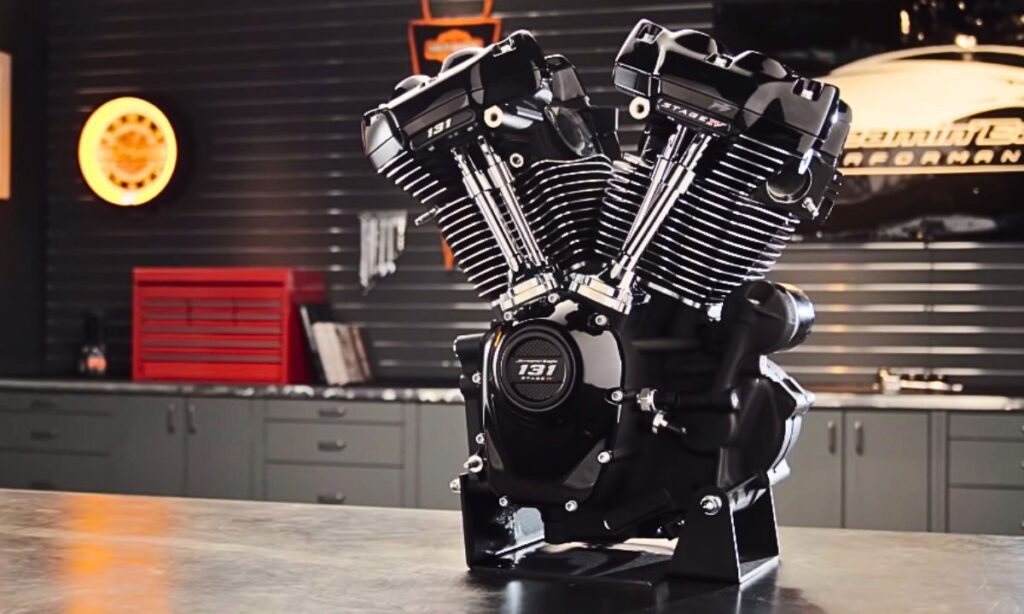
1. Cold Starting
While the engine known for its impressive power and torque, has also been associated with cold start issues.
Riders have reported difficulties in getting their engines running smoothly from a cold state, a problem that can be attributed to various factors such as fuel injection system hiccups, spark plug inefficiency, or battery performance issues.
In order to solve the issue, ensure that the battery is fully charged and in good health, use high-quality engine oil that performs well in low temperatures, and consider the installation of a more robust ignition system.
However, regular maintenance checks, especially before the onset of colder seasons, can preempt some of these starting problems.
On the other hand, worn spark plugs might struggle in cold conditions. Inspect and replace them as needed for better ignition.
You should also review the oil and make sure the fuel is fresh. Consider adding fuel stabilizers if the bike is not used regularly.
Sometimes, adjusting the air-fuel mixture and EFI (Electronic Fuel Injection) settings can resolve starting trouble.
2. Limp Mode Issues
One of the prevalent issues faced by many owners is the notorious ‘Limp Mode issues’.
This mode is a safety feature designed to protect the engine from potential damage when it detects a significant operational fault.
When triggered, the bike’s performance is severely restricted, allowing you just enough power to ‘limp’ to a safe location or a service centre.
Owners have reported that this mode engages unexpectedly, even during rides where there are no overt signs of engine distress.
To address this issue, it is essential to identify any error codes that the motorcycle’s diagnostic system may have logged.
These codes can point to the underlying problem, whether it is related to the throttle position sensor, fuel injection system, or any number of engine components.
The resolution often involves a series of steps: checking the engine and transmission oil levels, ensuring the air filter is clean and unobstructed, examining the battery and its connections, and scanning the bike using a diagnostic tool.
If these checks don’t resolve the problem, professional servicing is recommended.
In some cases, a software update or hardware replacement may be required to fix the issue permanently.
3. Stuttering on Acceleration
Stuttering on acceleration is a known issue that has troubled some owners of motorcycles equipped with the Harley 131 engine.
This hiccup, usually felt when the rider twists the throttle to pick up speed, can be both disconcerting and potentially dangerous.
The problem often stems from a series of causes, including fuel system restrictions, spark plug degradation, or improper ignition timing.
Riders have reported this frustrating issue across various forums, indicating that it’s not just an isolated occurrence but rather a more widespread concern.
To address this, checking and replacing the spark plugs can be beneficial, as can ensuring the integrity of the fuel lines and filters.
It’s also advisable to have the engine’s fuel-air mixture and ignition timing checked and adjusted by a professional.
If you are technically inclined, performing a firmware update on the motorcycle’s ECU, if available, can also resolve issues related to engine performance.
4. Overheating
This issue often manifests itself during long rides or in high-temperature climates, where the engine runs hotter than usual.
Overheating can lead to performance degradation, increased engine wear, and, if not addressed, potentially costly repairs.
Owners have reported signs of overheating, which include the engine feeling unusually hot to the touch, a decrease in power, pinging sounds under load, and sometimes even the smell of burning oil.
The 131 engine, with its large displacement and performance-focused design, is particularly susceptible to this when idling for prolonged periods or when operated in stop-and-go traffic where airflow is minimal.
To mitigate overheating issues, you can take several measures:
Ensure the engine oil is of high quality and replaced at regular intervals. Oil plays a critical role in cooling and lubricating.
You should also consider using a premium synthetic oil, which is more effective in extreme temperatures.
Employ a professional to optimize your bike’s fuel maps for better heat management.
Upgrade to parts that improve cooling, such as a high-flow oil pump or a more efficient cooling system.
Reduce the likelihood of overheating by avoiding riding in a manner that places excessive stress on the engine, such as aggressive acceleration.
Try to minimize idle time, especially in warm weather, to keep air moving over the engine.
If you’re less mechanically inclined or facing persistent overheating issues, it is always advisable to consult a certified Harley-Davidson mechanic.
5. Oil Cooler Issue
Harley 131, while known for its impressive power and performance, has not been without its issues, one of which includes the oil cooler problems.
A number of owners have reported that the oil cooler tends to malfunction, leading to higher engine temperatures and, consequently, a reduction in performance.
This heat management problem often manifests itself through the telltale signs of oil leaks or unusually high oil temperature readings.
There are several steps you can take to address the issue; regular maintenance checks can prevent the problem from escalating.
You should look for any signs of oil leakage and monitor the oil temperature gauge closely, especially during long rides or in hot weather.
In some cases, merely cleaning the external fins of the cooler and ensuring proper airflow can resolve the issue.
However, if the problem persists, the oil cooler may need to be replaced.
You can consider aftermarket upgrades that offer enhanced cooling performance over the stock part.
6. Issues at Low Fuel Levels
Riding on low fuel can cause the fuel pump to overwork, as it has to draw fuel from the bottom of the tank, where debris can accumulate.
This can lead to clogging and potential damage to the fuel system.
However, consistently running on a nearly empty tank may cause the engine to run lean, potentially leading to overheating and increased wear.
Owners have reported symptoms such as engine sputtering, loss of power, and, in some instances, the engine failing to start.
These problems can be accentuated during long rides or when access to fuel stations is limited, causing not only inconvenience but also safety concerns.
To fix these issues, it’s crucial to avoid letting the fuel level drop too low.
Regular maintenance, cleaning, replacing the fuel filter and ensuring the fuel pump is in good working condition can help prevent problems.
However, using a fuel system cleaner can assist in removing any build-up within the system.
You should consider keeping your tanks at least a quarter full to minimize risks and maintain the overall health of the engine.
7. Oil Leakages
Owners have reported instances of oil seepage, which can lead to not just a mess but potentially hazardous riding conditions and engine damage if not addressed promptly.
The cause of these leakages often lies in defective seals or gaskets, housing cracks, or improper installation of engine components.
To address this issue, you are advised to first identify the source of the leak.
This can involve a detailed inspection of the engine, particularly around gaskets, the oil pan, and other areas prone to leaks.
Once pinpointed, the fix may range from simply tightening bolts to replacing faulty seals or gaskets.
In cases of cracks or serious wear, professional assessment and repair are recommended.
You should regularly perform checks, especially after long rides or extended periods of use, to catch any early signs of leaking oil, thereby preventing further complications.
8. Clutch Slipping
Clutch slipping is a common issue that plagues many motorcycle engines, including the robust Harley 131.
This problem occurs when the clutch fails to properly engage, leading to a loss of power transfer from the engine to the rear wheel.
The symptom is most noticeable when attempting to accelerate or under heavy loads, as the engine revs increase without a corresponding increase in speed.
Owners have reported this issue across various forums and communities, expressing a mix of frustration.
The root cause often lies within the clutch components, such as worn friction plates, weak springs, or an improperly adjusted clutch cable.
To fix the situation, you should inspect the clutch for wear and replace any components that are not functioning correctly.
For the Harley 131, this might mean upgrading to a high-performance clutch kit that can handle the engine’s power.
However, ensuring that the clutch cable is correctly adjusted for the proper amount of free play is crucial since too much slack can lead to slipping, while too little can cause the clutch to not fully disengage.
9. Electrical Problems
Electrical issues can result in intermittent power loss, difficulty in starting the bike, or complete system failures.
Owners have reported instances where the engine stutters or hesitates, especially under heavy load or acceleration.
These problems are often attributable to faulty ignition components, wiring harness issues, or problems with the engine control unit (ECU).
Others have encountered failed sensors, which lead to poor engine performance or triggering of the check engine light.
To fix the issue, check the battery health and connections, ensuring they are clean, secure, and fully charged.
Following this, inspecting the wiring for any signs of wear, corrosion, or damage is crucial, particularly for bikes that have seen extensive use.
If the issue persists, diagnostic tools can be utilized to read any error codes from the ECU, offering insight into specific malfunctioning components.
In terms of fixes, if a sensor failure is detected, replacing it is often a straightforward solution.
For wiring issues, repairs or complete replacements might be necessary. In cases where the ECU is at fault, reprogramming or replacing the unit will be required.
10. Suspension and Brake Issues
Owners have experienced instances where the suspension does not adequately absorb road irregularities, leading to a less comfortable ride and handling difficulties, particularly at high speeds or during long-distance travel.
The braking system has also been a point of contention, with some riders citing slower response times and a need for increased effort when applying brakes.
Addressing these issues involves preventative measures and corrective actions:
Suspension
Regular maintenance checks should include an inspection of the suspension components for signs of wear and tear.
Upgrading to higher-quality shock absorbers can dramatically improve ride comfort and bike handling, tailored to the weight and riding style of the owner.
Brakes
Replacing the stock brake pads with higher-performance options can offer enhanced stopping power and a better overall response.
However, ensuring that the brake fluid is replaced at manufacturer-recommended intervals and examining the brake lines for any potential damage are essential steps.

Tonmoy, the brains behind the influential motorcycle-focused website, TwoWheller.com, is a dedicated and passionate advocate for biking culture. Born and raised in a family of motorcycle enthusiasts, his love for two-wheeled transportation was ignited at an early age. His commitment to providing in-depth reviews and helpful tips for riders has established him as a respected figure in the motorcycle community.
It was a dream come true until I started noticing some odd sounds and performance issues.
Little did I know, I was about to get really familiar with some common problems with my Harley 107.
From pesky oil leaks to temperamental electronics, each challenge was a learning opportunity. Let me share my story and what I’ve learned along the way.
Harley 107 Problems
The common problem with the Harley 107 engine is Excessive Oil Consumption.
Oil Pump Issues, Vibration, Wet Sumping, Oil Aeration, Cam Chain Tensioners Issues, Flawed Crankshaft, Overheating and Cold Starting.
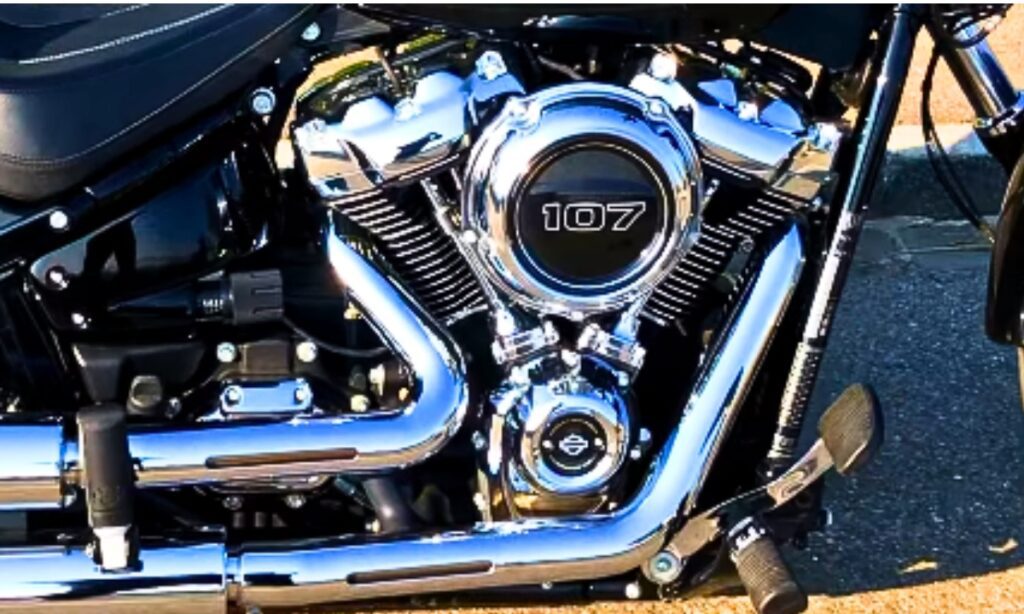
1. Excessive Oil Consumption
Excessive oil consumption is the most common issue that is faced by many owners.
It can be a concerning issue for riders, resulting in an unexpected reduction in oil levels that may lead to engine damage if left unattended.
This problem might stem from several factors, such as leaky seals, worn-out piston rings, or even the misuse of oil types not suited for the specific demands of a high-performance engine.
Riders noticing oil levels dropping faster than usual should first check for any visible leaks around the engine, and if none are found, consider the engine’s internal health, specifically the condition of the piston rings and valve seals.
The solution often involves a meticulous process of eliminating potential external leaks and then, if necessary.
For careful and detailed guidance, it is advisable to consult the service manual specific to the model or, better yet, seek assistance from a qualified Harley mechanic.
2. Oil Pump Issues
One of the common issues that Harley 107 riders encounter is a malfunctioning oil pump, which can lead to inadequate lubrication and, consequently, increased engine wear or failure.
Insufficient oil flow can cause the engine to overheat, leading to a decrease in performance and potentially severe damage.
To address this problem, it is essential to check the oil lines for any blockage and ensure that the oil filter is clean and properly installed.
If the oil pump itself is at fault, it might need to be replaced.
This process generally involves draining the engine oil, removing the outer covers, and carefully replacing the oil pump.
Using only high-quality replacement parts and ensuring that everything is sealed and aligned correctly can help prevent future oil pump issues.
3. Vibration
Owners of Harley 107 have reported experiencing excessive vibration that can lead to discomfort during rides and potentially exacerbate wear and tear on the bike’s components.
This issue is most noticeable at high speeds and during longer rides, where persistent vibrations can cause numbness in the hands and feet, detract from the riding experience, and even loosen various nuts and bolts.
To address this, a detailed inspection should be conducted to pinpoint the source, which may include checking engine mounts for proper tightness, ensuring the balance of internal engine components, or looking into the alignment of the chassis.
If the problem persists, consult with a certified mechanic or visit a Harley dealership for a professional assessment.
Regular maintenance and inspections are imperative to mitigate vibration issues and keep the bike in optimum condition.
4. Wet Sumping
Wet sumping is a condition that occurs in Harley-Davidson motorcycles, specifically those with the 107 engine, where excess oil accumulates in the crankcase while the bike is not running.
The problem typically arises when the check valve in the oil pump fails, allowing oil to seep into the crankcase.
The result is a bike that may experience oil leaks, smoke upon startup, and reduced performance.
Riders also notice a significant amount of oil discharging from the breather tube when starting the engine after it’s been sitting for a while.
To remedy this issue, it’s essential to address the faulty check valve and ensure proper maintenance routines.
You can start by checking and, if necessary, replacing the oil pump’s check valve.
5. Oil Aeration
Oil aeration can lead to a slew of problems, including engine overheating, reduced lubrication, and potential wear and tear on the engine components.
The issue arises when air bubbles are mixed with the engine oil, usually due to the oil being churned too vigorously within the engine’s compartments.
This foam of aerated oil can diminish the oil’s effectiveness in protecting the engine, leading to increased friction and overheating.
To address this issue, it is advised to ensure regular maintenance of the motorcycle, which includes checking the oil levels and quality.
Using a high-quality oil suitable for the Harley 107 and replacing it on schedule helps to prevent aeration.
However, installing an aftermarket oil cooler can assist in maintaining optimal oil temperatures and reducing the risk of aeration.
Properly warming up the engine before high-speed operation and avoiding aggressive riding styles can also minimize this risk.
6. Cam Chain Tensioners Issue
One such problem that some Harley 107 riders encounter is with the cam chain tensioners.
Over time, these tensioners can wear out prematurely, causing excessive noise, reduced engine performance, and potentially leading to serious engine damage.
This wear is often due to the tensioner’s material not standing up to the stress of constant movement against the cam chain, which can lead to the engine running rough and, ultimately, failure.
To address this, it’s recommended that the cam chain tensioner is regularly inspected, especially during service intervals.
The ultimate solution involves upgrading to a hydraulic cam chain tensioner system, which is less prone to wear and provides greater reliability.
This can be done at most motorcycle repair shops or by following a detailed guide for those who are mechanically inclined.
Upgrading to a more resilient material, such as high-grade metal or a more durable composite, will ensure a longer lifespan and smoother running engine.
7. Flawed Crankshaft
This mechanical defect arises from improper alignment of the crankshaft, which leads to excessive vibration, eventual bearing wear, and potentially catastrophic engine failure.
However, this misalignment can cause a loss of power and a decrease in fuel efficiency, robbing the bike of its optimal performance.
To address and remedy this situation, it is recommended to take your motorcycles to a certified mechanic.
If a flawed crankshaft is detected, a complete crankshaft replacement or alignment may be necessary.
If you have mechanical expertise, purchasing a crankshaft truing and alignment tool and following it could allow for a more hands-on approach to solving the problem.
8. Overheating
Overheating is a notable issue among Harley 107 engines, particularly during long rides or on hot days, which can lead to engine performance degradation.
The problem results in excess heat buildup in the engine, and symptoms may include increased engine temperature readings, power loss, or knocking sounds.
Over time, excessive heat can damage integral engine components, posing a serious concern for riders.
To fix this issue, properly maintain regular oil changes with high-quality lubricants, ensure the cooling system is functioning optimally, and inspect the engine for any signs of wear.
However, installing an aftermarket oil cooler can be a beneficial upgrade.
These devices increase the cooling capacity of your engine, thereby reducing the operating temperature.
Riders should also consider investing in a tuner that optimizes the engine’s performance to run cooler.
9. Cold Starting
One common issue owners have encountered is difficulty with cold starting.
This problem often presents itself as a sluggish or delayed start when the engine is cold, or in some cases, the engine might not start at all.
Contributing factors can include a weak battery, poor fuel quality, or a malfunctioning starter.
However, the most frequent culprit tends to be a compromised battery that is unable to deliver adequate power for starting after a night of disuse.
To address this, ensure your Harley’s battery is fully charged and in good condition.
Use a battery maintainer during longer periods of inactivity to keep the battery at optimal levels.
If the battery is in good shape but the issue persists, inspect the fuel system for any signs of old or contaminated fuel that may hinder engine ignition.
Tonmoy, the brains behind the influential motorcycle-focused website, TwoWheller.com, is a dedicated and passionate advocate for biking culture. Born and raised in a family of motorcycle enthusiasts, his love for two-wheeled transportation was ignited at an early age. His commitment to providing in-depth reviews and helpful tips for riders has established him as a respected figure in the motorcycle community.
These problems, often referred to as “Harley EITMS problems,” primarily revolve around the system’s function to protect the bike’s engine from overheating.
In this article, we will dive into these problems, their impact on the performance of the motorcycle, and potential solutions.
Harley Eitms Problems
The EITMS is designed to reduce the engine temperature when the motorcycle is idle or operating in high ambient temperatures, but its implementation has not been without problems.
Users have reported that the system causes the engine to run rough, leads to power loss, and even results in stalling.
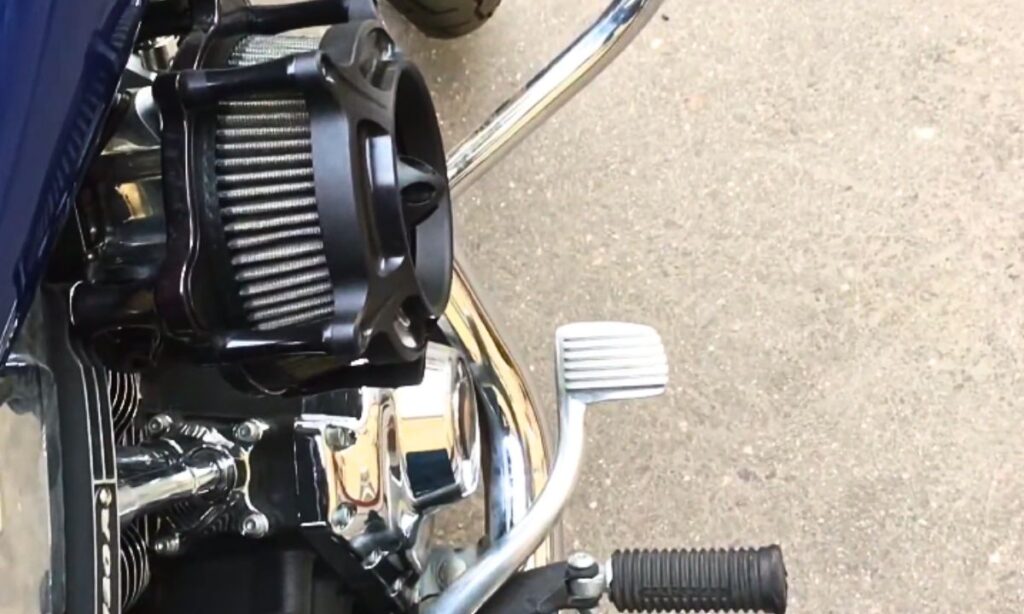
1. Not Engaging Properly
When it comes to Harley EITMS, one of the common problems riders experience is the system not engaging properly.
This issue can result in the engine idling at high temperatures when it should be cooling down or the EITMS failing to activate when the motorcycle is at a standstill.
To troubleshoot this issue, ensure the EITMS is enabled. On the newer models, you can do this by pressing the left-turn signal button twice quickly.
When activated, you’ll see an icon displayed on the speedometer.
If the EITMS is turned on but still not working correctly, the problem could be with the motorcycle’s temperature sensor or its electrical connections.
If the coolant level is sufficient, inspect the temperature sensor for any signs of damage or wear and replace it if necessary.
Next, examine the electrical connections and wiring for signs of damage, corrosion, or loose connections, and repair or replace them as needed.
Lastly, if you’re still experiencing issues, you’re advised to take your Harley to a professional for a detailed diagnosis.
2. Motorcycle Stalling
Motorcycle stalling can be a frequent issue for riders, bringing a range of potential hazards.
In essence, a stall occurs when your motorcycle’s engine quits while the bike is in operation.
There are several common causes for motorcycle stalling: a lack of fuel, an issue with the bike’s electrical system, or a problem with its carburettor.
In some instances, your motorcycle might stall because of something as simple as having your bike’s kickstand down while you’re in gear.
To resolve a stalling issue, start by checking your bike’s fuel supply. If your fuel levels are adequate, inspect your bike’s spark plugs and wires for any visible signs of damage.
If these components are in good condition, you should check your bike’s carburettor to ensure it’s not clogged or dirty.
If you’re not comfortable identifying or fixing these issues on your own, it’s always a good idea to seek help from a professional mechanic.
Remember, a stalling motorcycle not only disrupts your ride but can also pose a significant danger, especially when riding at high speed or in heavy traffic.
3. Power Loss
This problem often results as the motorcycle experiences a decrease in power output and poor throttle response.
It could be due to a clogged fuel injector, which can restrict the flow of fuel to the engine, leading to a decrease in performance.
The EITMS itself can also be a contributor to power loss if it’s not functioning correctly.
This system is designed to manage engine temperature by temporarily disabling fuel injection to one of the cylinders when the bike is idle, reducing engine heat.
However, if the EITMS malfunctions, it may incorrectly disable a cylinder while the bike is in motion, leading to power loss.
To resolve these issues, start by checking and cleaning your fuel injectors. This can often be done at home with a fuel injector cleaning kit.
What Function Did Harley Eimts Do?
Harley-Davidson’s EITMS, or Engine Idle Temperature Management System, is a technological feature introduced to manage the heat generated by their air-cooled engines.
The EITMS system stands for “Engine Idle Temperature Management System.”
This system was designed to improve rider comfort in high-temperature situations such as heavy traffic by disabling fuel from the rear cylinder when the motorcycle is idle, thus reducing engine heat.
There are two operational modes: “Automatic” and “Manual.” When you have set it to automatic.
The EITMS will turn on based on the motorcycle’s operating conditions, such as the engine temperature and speed.
In manual mode, you can disable the system by rolling the throttle forward twice quickly. The EITMS indicator light will flash if the system is enabled.
It’s important to note that this system only operates when the motorcycle is idle, not during riding.
What are The Benefits of the Eitms System?
The EITMS is a key feature in many modern motorcycles designed to manage engine heat.
It operates by automatically cutting fuel and sparks to the rear cylinder when the motorcycle is at idle, effectively turning the engine into a single-cylinder until the throttle is engaged.
One of the foremost benefits of the EITMS system is its capacity to reduce the excessive heat generated by motorcycles, enhancing rider comfort during long trips or in heavy traffic.
With less heat radiating from the engine, you can avoid the discomfort and potential safety risk of overheated engines.
EITMS also contributes to the longevity of the motorcycle by preventing the engine from overheating.
It reduces the wear and tear on engine components, thus extending the life of the motorcycle and keeping maintenance costs to a minimum.
Using the EITMS system is straightforward. Most systems are enabled by the rider, typically through a series of button presses on the motorcycle’s instrument panel.
Once enabled, the system operates automatically, engaging when the engine reaches a certain temperature and disengaging when the throttle is applied.
What Are The Pros and Cons of The EITMS System?
The EITMS is designed to manage engine heat under specific conditions. Here is a detailed guide about its pros and cons:
Pros:
- The primary benefit of the EITMS is that it prevents the engine from overheating when the motorcycle is idle or moving slowly. This is crucial in heavy traffic situations or during hot weather.
- By maintaining the optimal engine temperature, the EITMS can extend the lifespan of your engine, reducing the wear and tear that results from overheating.
- The system also enhances fuel efficiency as it shuts off the rear cylinder when the engine is idle, reducing the amount of fuel consumed.
Cons:
- One of the downsides of the EITMS system is that it could potentially affect the motorcycle’s performance. When the system is activated, there might be a slight delay in the response time when accelerating.
- The EITMS is a complex system, which can increase the cost of maintenance and repairs. It may require professional assistance to troubleshoot any issues.
- EITMS only works under specific conditions, meaning it may not always be activated when you need it. The system works based on the engine’s temperature and the speed of the motorcycle.
How To Turn Off EITMS On Harley Motorcycles
The EITMS on Harley motorcycles is designed to reduce heat generation in the engine when the motorcycle is idling.
While it can be beneficial in certain situations, it may also result in the engine feeling less responsive.
Here’s a step-by-step guide on how to disable EITMS:
- Ensure your Harley is in neutral and fully warmed up, with the engine running.
- Press the throttle two times in quick succession. You should hear the engine’s idle tone change.
- Press the throttle once again, but this time, hold it for a longer duration (about three seconds).
- If done correctly, your Harley’s engine should change its idle tone once more, indicating that EITMS is now disabled.
- Simply turn off the engine to exit from the setup mode.
Remember, EITMS automatically resets to its default ‘on’ setting each time the ignition is turned off, so you’ll need to disable it each time you start your Harley if you wish it to remain off.
Tonmoy, the brains behind the influential motorcycle-focused website, TwoWheller.com, is a dedicated and passionate advocate for biking culture. Born and raised in a family of motorcycle enthusiasts, his love for two-wheeled transportation was ignited at an early age. His commitment to providing in-depth reviews and helpful tips for riders has established him as a respected figure in the motorcycle community.
However, like any mechanical device, they’re not immune to issues. Over time, many riders had reported about the various issues with Harley 96.
In this article, we will dive into these issues, which are reported over time with solutions.
Harley Davidson 96 Engine Problems
Some riders have reported problems related to oil consumption, excessive heat production, and cam bearing failure.
If these problems are not addressed promptly, it can lead to a reduced lifespan of the engine and even compromise your safety.
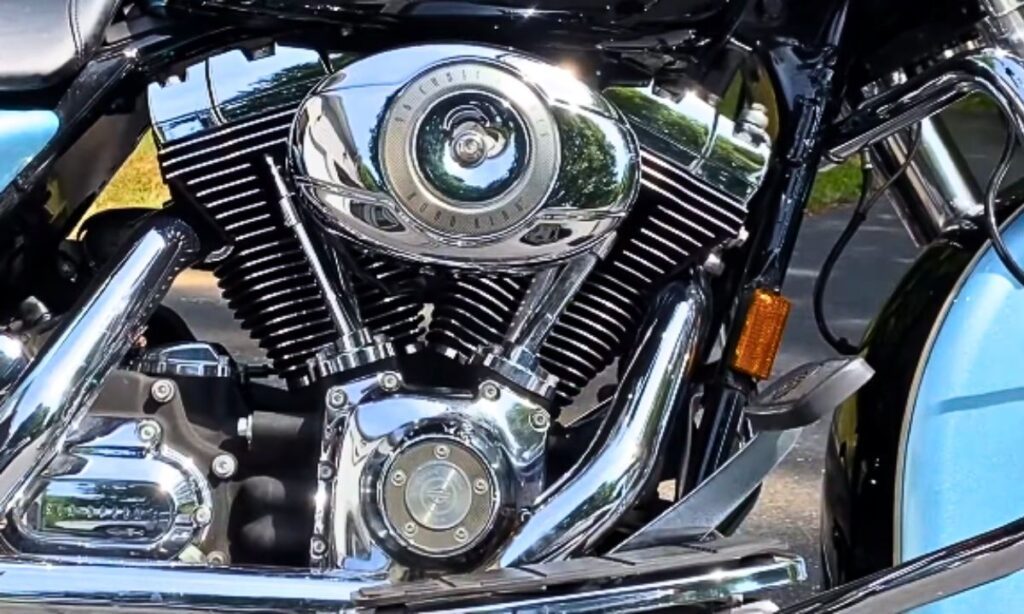
1. Oil Pump Failure
An effective and efficient oil pump is crucial for maintaining the engine’s performance and longevity, as it ensures proper oil circulation to cool and lubricate the engine’s moving parts.
The most common symptom of oil pump failure is a sudden rise in engine temperature.
This situation occurs due to inadequate oil circulation, creating excessive heat build-up, potentially leading to severe engine damage.
Another warning sign of a failing oil pump could also be the presence of unusual noises, such as a ticking or clattering sound from the engine.
This is the result of insufficient lubrication, causing metal-on-metal contact in the engine components.
The key to preventing oil pump failure is regular maintenance. Regular oil changes using the correct grade and type of oil are essential.
Regular inspection of the oil pump for any signs of wear or damage and prompt replacement of a faulty pump can prevent severe engine damage.
2. Cam Chain Tensioner Failure
The cam chain tensioner is a critical component that maintains proper tension in the cam chain. It ensures smooth and accurate timing of the opening and closing of the engine’s valves.
Failure of this component can occur due to wear and tear over time, resulting in the loosening of the cam chain.
This can lead to suboptimal performance, with symptoms such as a rattling noise from the engine, power loss, decreased fuel efficiency, and, in extreme cases, catastrophic engine damage if the chain jumps a tooth on the cam gear.
The issue can be confirmed by removing the cam cover and visually inspecting the tensioner.
Excessive wear and tear, or a tensioner that is no longer exerting the necessary pressure on the chain, indicates a failure.
To rectify this problem, it is advisable to replace the faulty tensioner. You can purchase an upgraded cam chain tensioner designed to withstand more pressure and last longer.
3. Gasket Leaks
This problem can lead to a significant decrease in the engine’s performance and, if left unattended, may result in serious engine damage.
Usually, gasket leaks are identifiable by an oil leak from the engine or, in severe cases, through white smoke from the exhaust.
A gasket functions as a seal between two parts of the engine, preventing fluids from leaking.
Over time, due to heat and pressure, this seal can become compromised, resulting in a leak.
To resolve this issue, you should first identify the source of the leak. This can be done by inspecting the engine for oil trails.
Once the compromised gasket is located, the next step would be to replace it.
The process of replacing a gasket includes draining the oil, removing the necessary parts to access the faulty gasket, replacing it with a new one, and reassembling the engine.
4. Overheating
The Harley 96, while known for its raw power and distinctive roar, has been reported to have overheating issues.
This can be particularly noticeable during longer rides or when operating in hot weather. Several factors can contribute to this:
I. Air Cooling System
Unlike modern liquid-cooled engines, the Harley Davidson 96 engine relies on an air-cooling system, which is less efficient in dissipating heat, especially during stationary or slow-moving conditions.
II. Engine Design
The V-twin design, while iconic, places the rear cylinder directly behind the front, reducing the cooling efficiency of the rear cylinder.
III. Engine Oil
Using lower-quality engine oils can accelerate overheating. High-quality synthetic oils offer better heat resistance and should be considered for these engines.
Overheating can lead to engine damage over time, so it’s important to keep an eye out for signs such as a decrease in engine performance, an increase in engine noise, or the smell of burning oil.
5. RPMs Increase
One of the recurring issues reported with the Harley 96 is an unexpected increase in RPMs, sometimes causing the engine to rev higher than considered normal.
This issue is often a symptom of underlying mechanical complications that require immediate attention.
You can address this problem by checking for any obvious signs of damage or wear in the engine components.
A malfunctioning throttle can often be the culprit behind unexpected RPM surges.
Check the throttle body, linkage, and sensor for any signs of damage or wear, and replace these components if necessary.
You should also ensure that the air filters are clean and replace them if necessary.
Dirty or clogged air filters can cause the engine to work harder than necessary, resulting in an unexpected RPM increase.
6. Clutch Problem
Users often report that the clutch does not engage or disengage properly, leading to difficulties in gear shifting and overall performance issues.
This problem typically can be due to wear and tear of the clutch plates or improper adjustment of the clutch cable.
To fix the issue, begin by checking the clutch adjustment. Harley Davidson recommends adjusting the clutch after every 5,000 miles or as needed.
If the clutch adjustment is fine, the problem may be with the clutch plates. They can wear down over time or due to aggressive riding.
Inspect them for any signs of wear, warping, or damage. If any of these conditions are found, it is advisable to replace the plates.
The clutch basket can also develop notches over time. These notches can prevent the clutch plates from sliding freely, leading to a sticky clutch.
7. Starter Problems
The problem typically originates from the starter motor failing to engage the engine’s ring gear.
The starter motor consists of a motor, a solenoid switch, and a drive gear. When you attempt to start the bike, the solenoid receives a current from the battery, causing the starter motor to spin.
The spinning action of the motor drives the gear, which engages the ring gear of the engine, causing it to start.
However, if you hear a clicking noise when trying to start, it is likely that the solenoid is not receiving enough current from the battery and the drive gear is unable to engage the ring gear.
This can be due to a weak battery, corroded cables, or a faulty solenoid.
To resolve this issue, start by checking the battery’s charge with a multimeter and replace it if it’s weak.
Next, verify that the cables connecting the battery to the solenoid are free of rust or corrosion and replace them if necessary.
If the problem persists, consider replacing the solenoid or the entire starter motor.
Tonmoy, the brains behind the influential motorcycle-focused website, TwoWheller.com, is a dedicated and passionate advocate for biking culture. Born and raised in a family of motorcycle enthusiasts, his love for two-wheeled transportation was ignited at an early age. His commitment to providing in-depth reviews and helpful tips for riders has established him as a respected figure in the motorcycle community.
These issues can lead to decreased performance, costly repairs, and even potential safety risks.
In this article, we will dive into these problems and potential solutions for the challenges faced by users of the Harley 120R engine.
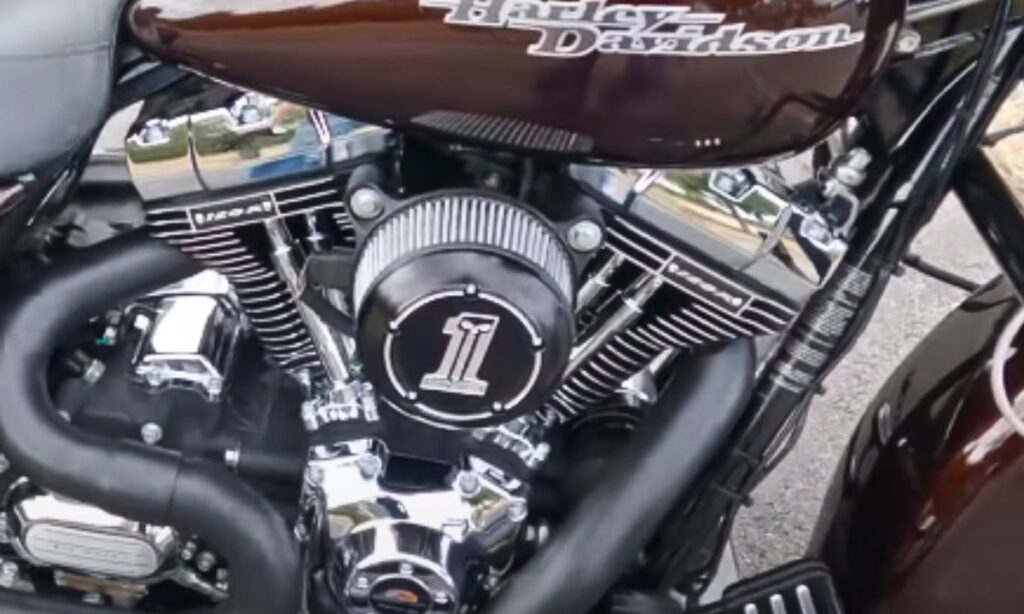
Harley 120r Engine Problems
These issues vary from high oil consumption and overheating to significant vibration at higher RPMs, often leading to discomfort during long rides.
However, some users have reported cases of premature wear of internal components, which could potentially lead to expensive repairs and replacements.
1. Oil Leak
One of the common problems encountered by owners is the oil leaks. These leaks could be a result of a faulty gasket or seal, a loose oil filter, or damaged engine parts.
If left unattended, oil leaks can lead to serious engine damage due to inadequate lubrication. To identify an oil leak, watch for dark stains or puddles under the motorcycle or dirty spots on the engine.
A burning smell, blue exhaust smoke, and falling oil pressure are also indicators of an oil leak.
Addressing an oil leak requires a systematic approach. Start by cleaning the engine thoroughly to locate the source of the leak.
Once you have identified the cause, the next step is to diagnose the cause. If it’s a loose oil filter, tightening it might solve the issue.
However, if the leak is due to a faulty gasket or seal, replacement of the component might be necessary.
You should always use high-quality replacement parts and maintain the correct oil level in your Harley 120R engine.
2. Overheating
Harley 120R, while renowned for its formidable power and performance, has been reported to have overheating issues.
Despite the robust design, the power of the engine can lead to excessive heat generation, particularly under strenuous conditions.
Overheating can be due to a lack of adequate airflow around the engine, a malfunctioning cooling system, a higher-than-normal engine load, or an excessively lean fuel-air mixture.
To address these issues, firstly, ensure that the engine is well-ventilated.
Avoid idling for long periods, and make sure the motorcycle is not subjected to extended periods of intense heat without sufficient air circulation.
Secondly, verify the efficiency of your cooling system. The coolant should be changed regularly, and the radiator or fans should be in perfect working order.
A malfunctioning cooling system can significantly contribute to overheating.
However, also consider your engine load. Consistently pushing the engine to its limit can cause it to overheat.
Regular maintenance, oil changes, and checking spark plugs can help keep the engine running smoothly.
Lastly, check the fuel-air mixture. A lean mixture can cause the engine to run hotter than it should. This is a more complicated issue and may require the assistance of a professional mechanic.
3. Bolt Failure
When these bolts fail, it can lead to serious damage, including gasket leaks and even catastrophic engine breakdown.
The primary cause of bolt failure can be improper torque. Each bolt must be tightened to a specific torque, which can vary depending on the bolt’s location and purpose.
If bolts are over-tightened, their threads may be damaged, reducing their holding power and leading to potential failure.
On the other hand, under-tightening can allow critical components to move or vibrate, which can also cause bolt failure.
To prevent bolt failure, always use a calibrated torque wrench when installing or maintaining your engine.
Follow the manufacturer’s torque specifications, and ensure that the bolts are clean and free from damage before installation.
Using a thread-locking compound can also help prevent bolts from loosening due to vibration.
4. Low Fuel Economy
Fuel economy is directly linked to the engine’s combustion efficiency: the better the combustion, the less fuel is wasted, and the more mileage you get out of your bike.
Poor fuel economy could be due to a malfunctioning fuel injector, which delivers fuel to the engine’s combustion chamber.
If the fuel injector is leaking or delivering too much fuel, it could result in wastage and poor fuel economy.
Another possible reason could be a clogged air filter. Air filters prevent dust and debris from entering the engine, but over time, they can get clogged, restricting airflow to the engine and causing it to consume more fuel.
Riding habits also play a significant role. Aggressive riding styles, frequent hard acceleration, and high-speed riding can lead to higher fuel consumption.
To improve the fuel economy of your Harley 120R engine, ensure regular maintenance checks, keep the air filter clean, and monitor your riding habits.
5. Starting Issue
This may occur due to a weak battery, starter motor issues, or problems with the ignition switch.
Here are some causes which cause the hard starting:
I. Weak Battery
If the battery is old or not properly charged, it may not have enough power to crank the engine.
Use a multimeter to check the battery voltage. It should be 12.6 volts (for a fully charged battery) when the engine is off. If the voltage is low, recharge or replace the battery.
II. Starter Motor Issues
If the starter motor is defective, it may not turn the engine over fast enough (or at all) to start.
Listen for a clicking sound when trying to start the engine. If you hear this, the starter motor may be the culprit. It may need to be replaced.
III. Ignition Switch
If the ignition switch is faulty, it may not send the signal to the starter motor to begin cranking the engine.
You can check for this problem by turning the ignition switch and listening to the sound of the fuel pump priming. If you don’t hear this sound, the ignition switch could be faulty.
6. Vibration
Engine vibration can lead to discomfort while riding, increased wear and tear on the motorcycle’s components, and, in severe cases, mechanical failures.
Vibration is typically caused by an imbalanced crankshaft, worn-out engine mounts, or misalignment between the engine and drivetrain.
Understanding these potential causes can help in addressing the vibration problem. In order to reduce engine vibration, it’s crucial to regularly maintain and inspect your Harley 120r Engine.
This includes checking the crankshaft for balance and ensuring that the engine mounts are in good condition.
Misalignment can be checked by a professional mechanic and fixed by adjusting the position of the engine or drivetrain.
However, installing vibration-dampening accessories can be another effective way to minimize the vibration.
Tonmoy, the brains behind the influential motorcycle-focused website, TwoWheller.com, is a dedicated and passionate advocate for biking culture. Born and raised in a family of motorcycle enthusiasts, his love for two-wheeled transportation was ignited at an early age. His commitment to providing in-depth reviews and helpful tips for riders has established him as a respected figure in the motorcycle community.
In my early riding days, I was captivated by the throaty roar of a V-Twin, a sound so profound it echoed through my bones.
Yet, the smooth performance and nimbleness of a Parallel Twin also left a significant impression.
So, sit tight as we dive into the world of these two mechanical marvels, exploring their nuances, contrasts, and unique appeals to different riders.
V Twin Vs Parallel Twin
V-Twin and Parallel Twin refer to the configuration of a motorcycle’s engine.
The V-Twin engine, as the name implies, features two cylinders configured in a V shape.
This design is popular for its distinctive rumble and powerful torque at low RPMs, making it ideal for cruising and touring motorcycles.
On the other hand, the Parallel Twin engine has its two cylinders arranged side by side in a parallel configuration.
This design is praised for its smooth linear acceleration and lighter weight, making it favoured in sports and street motorcycles.
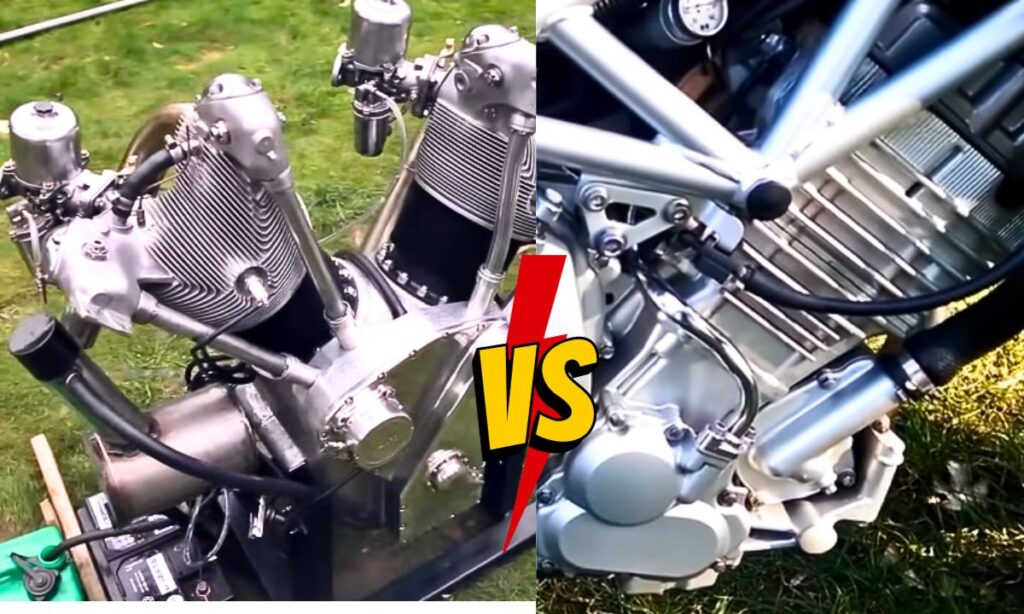
1. V-Twin Engine
V-twin engines are a popular choice for a variety of motorcycles. They’re commonly found in cruising bikes due to their distinct sound and low-end torque.
The Harley-Davidson Softail series and the Ducati Monster series are two popular models that utilize a V-Twin engine.
V-Twin engines are renowned for their distinctive sound. This sound is often described as a low rumble at idle that becomes a fierce growl at high speeds.
In terms of performance, V-Twin engines provide excellent low-end torque, making them perfect for city riding.
The power delivery is linear, which means the power increase is steady as the RPMs rise.
In a V-twin engine, the cylinders are arranged in a V-shaped configuration.
The most common angle between the two cylinders is 90 degrees, but it can vary depending on the manufacturer.
This arrangement results in a compact engine that can easily fit into a motorcycle’s frame.
2. Parallel Twin Engine
The cylinder layout and orientation in V-twin and parallel twin engines certainly contribute to their distinctive characteristics.
In a parallel twin engine, the two cylinders are positioned side by side in a vertical or inline orientation.
This configuration results in a compact engine that’s perfect for small to medium-sized motorcycles.
Parallel twin engines are common in a variety of motorcycles, from street bikes to dual-sports.
Notable examples include the Triumph Bonneville and the Kawasaki Ninja series.
Power delivery in a parallel-twin engine is typically smooth and linear, perfect if you prefer a steady, predictable response.
In terms of acoustics, each engine offers a unique sound. The parallel-twin produces a smooth and somewhat buzzy exhaust note.
3. Comparative Analysis
Comparatively, V Twin and Parallel Twin engines exhibit distinctive characteristics in terms of power, torque, vibration, cooling efficiency, and maintenance aspects.
V Twin engines typically provide high torque at low RPMs, which makes them ideal for lower-speed cruising and city riding.
On the other hand, Parallel Twin engines tend to deliver power evenly across the RPM range, making them suitable for a wide variety of riding conditions.
In terms of vibration and smoothness, V Twin engines often produce a pleasing, rhythmic vibration that many riders enjoy, but they can also be less smooth at higher speeds compared to Parallel Twin engines.
Parallel Twins, with their balanced firing order, generally offer smoother operations, particularly at higher RPMs.
V Twin engines, with their wider arrangement, allow for better airflow and cooling.
However, this design can make maintenance tasks slightly more difficult, as components are more spread out.
On the contrary, the more compact design of Parallel Twin engines can mean less efficient cooling but easier access for maintenance.
Motorcycles with V Twin engines tend to have a lower centre of gravity, which can improve handling and stability.
However, the wider engine can also lead to a wider motorcycle design.
In contrast, Parallel Twin engines allow for narrower, more compact motorcycle designs, which can be beneficial in terms of manoeuvrability and weight distribution.
Advantages and Disadvantages
V-Twin: Pros and Cons
Pros
The V-twin engine configuration is renowned for the unique characteristics that make it a favourite among motorcycle enthusiasts.
One of the primary advantages is its torque output. V-twin engines typically produce a lot of low-end torque, providing a powerful pull from a standstill.
This configuration also offers a distinct, throaty exhaust note that many bikers find appealing.
The engines are small in size, which makes the motorcycle’s design slim. Also, the V shape of the engine helps keep it cool as both engine parts are exposed to fresh air.
Cons
However, V-twin engines come with their share of drawbacks. The uneven firing order can result in more vibrations, which might lead to discomfort during long rides.
They often do not rev as high as other types of engines, which can limit top-end power.
The configuration also generally requires a heavier crankshaft to balance the engine, adding to the overall weight of the motorcycle.
Lastly, maintenance can be more challenging due to the angled arrangement of the cylinders, making some parts hard to reach.
Parallel Twin: Pros and Cons
The Parallel Twin engine configuration is a popular choice for many motorcycle enthusiasts and manufacturers.
With two cylinders arranged side by side in a parallel alignment, this engine type offers several advantages.
Pros
Parallel twin engines generally provide smoother operation due to better primary balance, resulting in less vibration at high speeds.
The parallel construction makes it simpler to work on the engine, which can be a significant advantage for self-maintenance.
These engines are typically cheaper to manufacture and maintain, making bikes with parallel twin engines more affordable for consumers.
The parallel twin’s compact and lightweight design makes it ideal for smaller, agile motorcycles.
This compactness aids in multiple aspects, including better fuel economy and easier handling.
Cons
While parallel twin engines are known for their smooth operation, they might not deliver the same power output as other configurations like the V-Twin.
Despite the smoother operation at higher speeds, parallel twins can exhibit increased vibration at lower RPMs.
Some riders find the exhaust note of a parallel twin engine less appealing than the deeper, throatier sound of a V-Twin.
Which One Is Best V Twin Vs Parallel Twin?
When it comes to the question of which one is better, a V-Twin or a Parallel Twin engine, the answer largely depends on your specific needs and preferences.
V-twin engines, named for their formation where two cylinders form a V shape, are known for their strong low-end torque and unique “rumbling” sound.
On the other hand, Parallel Twin engines, where the two cylinders are positioned side by side, are typically found in sports and off-road bikes.
Both twin engines have their own unique advantages. If you prefer low-end torque, an iconic sound, and a laid-back ride, the V-Twin might be your best choice.
However, if you’re after high RPM performance, fuel efficiency, and smoothness, you might find the Parallel Twin more to your liking.
Tonmoy, the brains behind the influential motorcycle-focused website, TwoWheller.com, is a dedicated and passionate advocate for biking culture. Born and raised in a family of motorcycle enthusiasts, his love for two-wheeled transportation was ignited at an early age. His commitment to providing in-depth reviews and helpful tips for riders has established him as a respected figure in the motorcycle community.
However, like any mechanical component, it has been subject to a number of common issues that riders should be aware of.
In this article, we will explore these problems, providing insights into their causes and potential solutions for Harley enthusiasts.
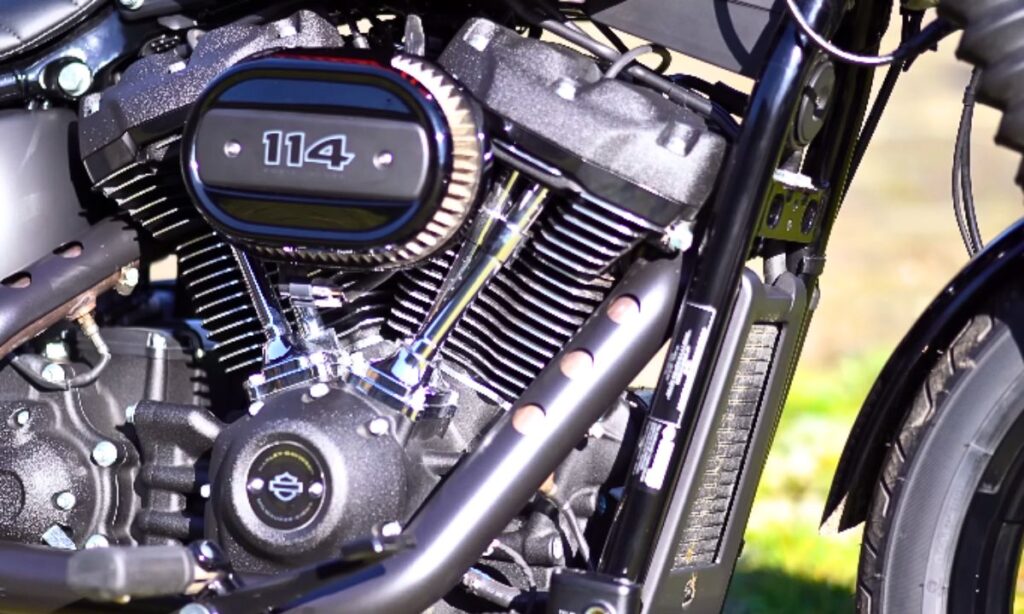
Harley 114 Engine Problems
These problems largely revolve around heat management, excessive noise, and oil consumption.
The engine’s propensity to run hot, especially in traffic and during summer, leads to performance degradation over time.
Many users have reported ticking or knocking sounds, indicative of potential mechanical issues.
1. Wet Sumping
This phenomenon occurs when engine oil, instead of returning to the oil tank, accumulates in the crankcase or the gearcase.
While the engine is operational, the oil pump’s function is to distribute oil to lubricate the engine’s parts and then return it back to the tank.
However, if the bike remains idle for extended periods, gravity pulls the oil into the lower parts of the engine, leading to wet sumping.
Symptoms of wet sumping can be an overfilled crankcase, oil leakage, and smoke blowing out of the exhaust.
Moreover, it may lead to reduced engine performance or even severe engine damage.
To fix the wet sumping issue, try to ride your motorcycle regularly and avoid leaving it unused for long periods.
Replacing the check valve or oil pump can also help rectify this issue.
2. Vibration
One of the most common problems experienced by riders is excessive vibration especially at high RPMs. This issue affects the overall riding experience and has been a cause of concern for many.
The vibration is often most noticeable at high speeds, causing discomfort and reducing the bike’s handling.
Some riders have reported a feeling of ‘looseness’ in the bike parts, indicating a possible issue with the bike’s balancing or alignment.
While minor vibrations are a characteristic feature of any motorcycle, extreme or constant vibration can signal underlying mechanical issues that need immediate attention.
3. Excessive Noise
One common issue associated with 114, is excessive noise, often originating from the valve train or camshaft.
The noise can be described as a loud ticking or tapping sound, which becomes more pronounced under acceleration.
This issue can be due to the high valve train mass, which is amplified by increased engine speeds.
While some degree of mechanical noise is normal, excessive noise could indicate a pending or existing mechanical issue.
A thorough inspection can help to identify the exact source. This includes checking the pushrods for alignment, inspecting the rocker arms for excessive wear, and ensuring the lifters are functioning correctly.
Excessive noise could also stem from insufficient lubrication, so it’s crucial to use quality engine oil and maintain consistent oil changes.
In some cases, it may be necessary to replace the camshaft or other components of the valve train.
If the noise persists despite these steps, it’s essential to seek professional help.
4. More Oil Consumption
The engine, although known for its power and performance, consumes more oil than expected under certain conditions.
Aggressive driving can cause the engine to consume more oil. Frequent hard acceleration puts additional stress on the engine, causing it to burn more oil.
Riding your bike at high speeds over extended periods can also increase oil consumption.
The quality and type of oil used can significantly affect oil consumption. Using low-quality oil or oil not intended for high-performance engines can result in faster oil degradation and increased oil consumption.
Mechanical issues such as worn piston rings, valve seals, or even oil leaks can lead to excessive oil use.
To reduce oil consumption, adhere to a moderate driving style and use high-quality motor oil intended for high-performance engines.
If oil consumption seems abnormally high despite riding gently and using high-quality oil, it may be time for a mechanic to inspect the engine for possible mechanical issues.
5. Crankshaft Issues
The crankshaft, a critical component of Harley’s engine, is responsible for converting the linear motion of the pistons into rotational motion, which powers the bike.
The most reported issue related to the crankshaft is its propensity to slip out of alignment, often referred to as a ‘twisted crank.’
This can be attributed to the high torque output of the engine and the resultant stress exerted on the crankshaft.
Symptoms of this issue may include abnormal vibrations, decreased performance, and unusual noises from the engine.
To rectify this issue, it is advisable to take your motorcycle to a certified mechanic.
The mechanic will typically take the bike apart to correct the alignment and may even need to replace the crankshaft if it’s severely twisted.
6. Clutch Issue
This problem, often termed the ‘clutch issue,’ manifests in the form of a slipping clutch.
When a clutch slips, the motorcycle’s engine revs increase, but the speed does not, causing a noticeable lack of acceleration.
This is often the result of excessive wear on the clutch plates, incorrect clutch cable adjustment, or improper lubrication.
To resolve this problem, start by checking the adjustment of the clutch cable.
If it’s too tight, it can cause the clutch to slip. To correct this, adjust the cable to have a little free play.
Next, examine the clutch plates for wear. If they’re worn out, they’ll need to be replaced.
When you have replaced them, ensure to choose high-quality plates suitable for your Harley’s 114 engine.
Lastly, make sure the clutch is properly lubricated. Regular maintenance and oil changes can prevent many clutch issues.
7. Starting Issue
The starting problem could result as a hard start or, in some cases, the engine refusing to start entirely.
This issue can arise from a depleted battery, a defective starter motor, problems with the ignition switch, or even an ineffective fuel system.
To troubleshoot this issue, start by checking the battery. Ensure it is adequately charged and the connections are clean and tight.
If the battery is beyond its useful life, consider replacing it with a new one.
The starter motor is another key area to inspect. If it’s faulty, the engine will not turn over as required. Replacing or repairing the starter motor solves this problem in most cases.
Next, inspect the ignition switch and the fuel system. If the ignition switch is broken or worn out, the motorcycle might not start.
The fuel system, including the fuel pump and the fuel injectors, must also be functioning properly for the engine to start.
8. Loose Pistons
The Harley 114, while offering impressive power and torque, has been reported to occasionally face issues with loose pistons.
This is a significant concern as it can lead to a myriad of engine problems, potentially including engine failure.
Loose pistons occur when the piston-to-wall clearance is more than the manufacturer’s specifications.
This could be due to poor manufacturing, wear and tear, or improper installation.
The symptoms of loose pistons can be excessive noise, lack of power, poor fuel economy, and increased oil consumption.
To rectify this issue, here is a basic guide:
- Begin by safely removing the engine from the bike, following the manufacturer’s instructions.
- Disassemble the engine, paying close attention to the arrangement of components for reassembly. Inspect each part for wear or damage.
- Check for abnormal wear or damage on the piston. If the piston is loose or shows signs of excessive wear, it likely needs to be replaced.
- Inspect the cylinder walls as well. If wear or scoring is found, the cylinder may need to be re-bored or replaced.
- Replace the defective pistons and/or cylinder as necessary, then reassemble the engine and reinstall it.
9. Low Cam Chain
One common problem that riders encounter is related to the low-cam chain tensioners.
These parts, essential for proper engine timing and synchronization, can exhibit wear and tear over time, leading to performance issues or even significant engine damage.
The cam chain tensioners are responsible for maintaining the right tension in the chain that connects the camshafts, ensuring they rotate at the correct speed relative to the crankshaft.
When these tensioners begin to degrade, they may not provide the necessary tension, leading to the chain becoming loose.
This situation can result in a noisy operation, reduced power output, and even severe internal engine damage if the chain slips or breaks.
Therefore, it’s crucial to routinely inspect and replace these parts as part of their regular maintenance schedule.
When replacing the cam chain tensioners, it is recommended to use only high-quality parts designed for your specific engine model.
The replacement process requires specialized tools and knowledge, and it’s often best left to a professional mechanic.
10. Unreliabiliable Radiator
The radiator, a critical component in cooling the engine, presents several issues impacting the bike’s performance.
These issues range from coolant leaks, leading to overheating, to blockages and rust, preventing the coolant from circulating effectively.
A common sign of radiator unreliability is a noticeable drop in engine performance, including overheating, especially during high-speed rides or in warmer climates.
In such situations, the radiator is unable to dissipate the heat generated by the engine efficiently.
Regular inspection for any coolant puddles under the parked bike can help identify leaks early.
On the other hand, a blocked radiator usually results from the accumulation of debris or rust inside the radiator.
To avoid these problems, regular maintenance, periodic coolant changes, radiator flushes, and inspections for leaks or damage are crucial.
Radiator guards can also be used to protect against debris and external damage. If issues persist, it might be necessary to replace the radiator entirely.
11. Miscalculated Acceleration
One of the significant issues that users have reported with the Harley 114 is a miscalculated acceleration.
This is often perceived as an unexpected surge in speed or power during gear changes, posing potential safety risks.
The root cause could be a variety of factors, including throttle response inconsistencies, gearbox malfunctions, or an imbalance in the fuel-air mixture.
To troubleshoot this issue, start by checking the throttle response. Ensure it is smooth and consistent throughout the rev range.
Next, inspect the gearbox for any signs of wear or damage. If there is a mechanical issue, this may require professional attention.
Another possible cause can be an incorrect fuel-air mixture. If the engine is running lean (too much air and not enough fuel), this can lead to erratic performance.
Tonmoy, the brains behind the influential motorcycle-focused website, TwoWheller.com, is a dedicated and passionate advocate for biking culture. Born and raised in a family of motorcycle enthusiasts, his love for two-wheeled transportation was ignited at an early age. His commitment to providing in-depth reviews and helpful tips for riders has established him as a respected figure in the motorcycle community.
While the engine has earned a reputation for reliable performance and longevity, it is not without its share of issues.
In this article, we will explore some of the common problems associated with the Harley Davidson Evolution engine.
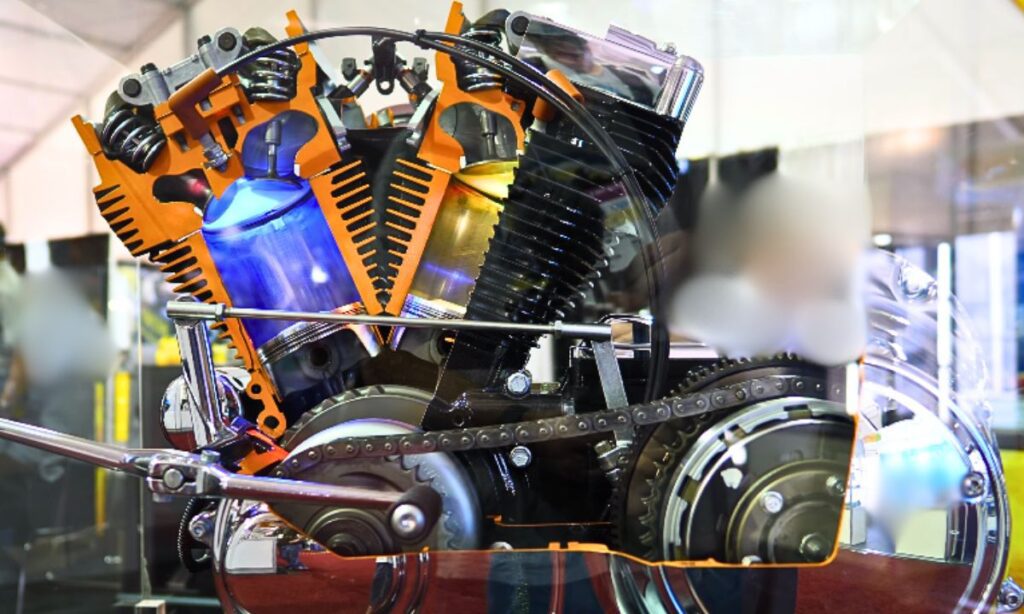
Harley Davidson Evolution Engine Problems
Despite its popularity and aesthetic appeal, several recurring issues have been reported by riders over the years.
Some of the most common problems are oil leaks, ineffective starter systems, overheating, and vibration, each of which significantly affects the performance of motorcycles.
Here are some common problems reported by most riders about the Evo engine.
1. Starting Issues
This problem usually results as the engine struggles to ignite or not start at all. The root cause of this issue often lies in the starter motor, a key component responsible for igniting the engine.
It may fail due to several reasons, such as wear and tear over time, poor maintenance, or a manufacturing defect.
If the starter motor is not working efficiently, it can’t generate enough power to start the engine.
To troubleshoot this issue, start by checking the battery’s condition and charge. If the battery is fine, turn your attention to the starter motor.
A faulty starter motor often makes a clicking or grinding noise. If you notice these sounds, the starter motor likely needs to be replaced.
Another issue could be a faulty ignition switch. To check this, try starting the motorcycle with the headlights on.
If the headlights dim significantly or go out when you attempt to start the engine, the ignition switch may be the culprit.
2. Low Oil Pressure
This issue can stem from a failing oil pump, blocked oil passages, or worn-out engine components.
Low oil pressure means that the engine isn’t getting the necessary lubrication to operate smoothly, leading to increased friction, overheating, and, in worst cases.
If you’re faced with low oil pressure, the first step you should take is to check the oil level in your motorcycle.
If the oil level is too low, it can cause the oil pump to draw in air, leading to a drop in oil pressure. To fix this, simply refill the oil to the required level.
If the oil level is adequate, the next possible culprit could be your oil pump. A malfunctioning oil pump may not be able to deliver oil effectively throughout the system.
In this scenario, replacing the oil pump is the most effective solution.
Lastly, there might be blockages in the oil passages due to accumulated dirt and debris or worn-out engine parts contributing to low oil pressure.
In such cases, a complete engine cleanup or component replacement might be necessary.
3. Cam Chain Tensioner
The cam chain tensioner is responsible for maintaining the correct tension in the cam chain, a crucial component that controls the engine’s timing.
However, in many engines, the cam chain tensioners, particularly made of nylon, have been known to wear out prematurely.
The small particles of nylon then circulate through the engine with the oil, potentially causing serious engine damage.
The main issue is that the tensioners are hidden deep within the engine and require significant disassembly to inspect or replace, making this problem hard to diagnose.
Upgrading to hydraulic tensioners or converting to gear drive are two common solutions that riders have used to mitigate this problem.
As a responsible rider, you should inspect the tensioners every 15,000 to 20,000 miles.
4. Engine Smoking
The problem is often indicative of oil seeping into the combustion chamber, burning alongside the fuel.
It could be due to worn-out piston rings, faulty head gaskets, excessive oil fill, or a compromised breather system.
Worn-out piston rings allow oil to creep into the combustion chamber during the compression stroke.
In case of faulty head gaskets, oil bypasses mixes with the coolant, leading to smoke emission.
Overfilling the engine with oil can also cause smoke as the excess oil is forced out of the engine, especially during high-speed rides.
The breather system’s failure can cause oil to be sucked back into the carburettor, which enters the combustion chamber and causes smoke.
5. Rough Idle Issue
This problem is characterized by an uneven, shaking or bouncing sensation when the motorcycle is idling.
The engine might seem to start smoothly but then begin to vibrate excessively, causing the whole bike to shake and making the ride uncomfortable.
It could be due to poor fuel quality or a clogged fuel injector, which prevents the fuel from flowing smoothly into the engine.
Another possibility could be a faulty spark plug or ignition coil that is not igniting the fuel-air mixture properly.
To diagnose and resolve the rough idle issue, you need to follow a systematic process.
Start with checking the fuel quality and ensure it’s not contaminated. If the fuel is fine, check the fuel injectors for any sign of clogging or damage.
Use a fuel injector cleaner if necessary. Next, examine the spark plugs and ignition coils for any sign of wear or damage.
Replace them if necessary. Regular maintenance and timely repair can help prevent this issue and ensure a smoother ride.
6. Vibration Issue
The vibration issue typically arises due to the two-cylinder design of the Evolution engine.
This V-twin configuration, while iconic in its aesthetic and sound, inherently produces significant vibration.
When these vibrations become excessive, they lead to far-reaching consequences, affecting ride quality, causing wear and tear on bike components, and reducing the overall longevity of the engine.
It could be due to an imbalance within the engine itself, such as misaligned components or inappropriate weight distribution.
Over time, these imbalances can exacerbate vibrations, leading to issues like loosened bolts, broken mounts, and even structural damage to the bike’s frame.
Early signs of the vibration problem may include an unusually harsh or rough ride, visible shaking at idle or when revving the engine, or an unusual increase in noise levels.
7. Bearing Failures
The inner cam bearing is a crucial component in the engine, ensuring the smooth and efficient operation of the camshaft.
Failure of the inner cam bearing can result in significant engine damage.
Typically, these failures are due to the high stress placed on the bearings from the action of the camshaft, combined with inadequate lubrication.
Symptoms of a failing inner cam bearing can include loss of power, unusual engine noise, or metal fragments in the engine oil.
To address this issue, regular inspection and maintenance of the inner cam bearings is crucial. High-quality replacement bearings designed
8. Bad Lifters
This component plays a vital role in maintaining the smooth operation of the engine.
When the lifters fail, it can lead to ticking noise from the engine, reduced performance, and, in severe cases, complete engine failure.
The inner cam’s bad lifters issue typically arises due to wear and tear or lack of maintenance.
Over time, the lifters can wear down, leading to excessive clearance, which in turn causes the ticking noise.
However, without regular oil changes and maintenance, debris can build up in the lifters, leading to failure.
It’s essential to diagnose the problem correctly. This can usually be done by listening for the characteristic ticking noise and by fully inspecting the lifters for signs of wear or debris.
If a problem is identified, the faulty lifters must be replaced. This is a skilled task, typically requiring the services of a professional mechanic.
9. Power Loss
Power loss is a critical issue where the engine gradually loses its capacity to generate the required power for optimal performance.
This is often indicated through symptoms such as the motorcycle’s inability to reach its top speed, inconsistent acceleration, or a notable decrease in fuel efficiency.
It could be due to clogged air filters, spark plug issues, carburettor problems, or fuel injector issues.
A clogged air filter can hinder the proper air-fuel mixture necessary for combustion, while a faulty spark plug can disrupt the ignition of the air-fuel mixture.
Similarly, issues with the carburettor can affect the air-fuel ratio, and problems with the fuel injectors can interrupt the delivery of fuel to the engine.
Addressing power loss issues involves a thorough inspection and troubleshooting process. Start by checking the air filter and replacing it if it is clogged or dirty.
Then, inspect the spark plugs for any signs of wear or damage and replace them if necessary.
If these do not resolve the issue, consider checking the carburettor or fuel injectors.
10. Overheating
Overheating is a common problem that plagues the Harley Evolution engines.
The intense heat generated by the engine during operation, can lead to severe damage and engine failure.
The overheating problem in these engines often results as a rise in engine temperature, which causes the engine to ‘seize up’ or stop working altogether.
This is often due to inadequate cooling or problems with the cooling system, such as a malfunctioning radiator, a broken coolant pump, or low coolant levels.
Addressing overheating is essential to prevent long-term damage. Start by checking the coolant levels and topping them up if necessary.
Then, inspect the radiator for any blockages or leaks which could cause the coolant not to circulate properly.
The coolant pump also needs to be checked to ensure it’s functioning correctly.
If all these are working properly and the engine is still overheating, it may be best to seek the help of a professional mechanic.
11. Tight Valve Clearance
This problem is characterized by the valve not fully closing, which restricts the flow of air and fuel into the engine and the expulsion of exhaust gases out of it.
Valve clearance refers to the small gap between the rocker arms and valve stem tips, which is essential for the proper functioning of an engine.
This gap allows the valves to cool, ensuring they don’t overheat and warp.
When this clearance is insufficient or tight, there is a risk of the valves remaining partially open even when they should be closed.
This issue can lead to several effects on engine performance, it can cause misfiring, loss of power, and poor fuel efficiency.
In severe cases, it can even lead to valve burning, a condition that necessitates expensive and time-consuming repairs.
To fix Tight Valve Clearance problems, you should adjust the valve lash to the manufacturer’s specifications.
This process typically involves removing the valve cover, checking the current valve clearance using a feeler gauge, and adjusting the rocker arms accordingly.
12. Engine Shuts Off
This problem generally occurs when the motorcycle is running at high speeds, leading to unexpected and abrupt stops in the middle of the ride.
A faulty ignition switch could be one of the potential culprits. If the switch is malfunctioning, it can lead to an intermittent power supply, causing the engine to shut off.
The problem can also stem from contaminated fuel or a clogged fuel filter. To solve this issue, the first step is to diagnose the cause. Replace the ignition switch if it’s faulty.
Regularly check your fuel quality and replace the fuel filter if it’s clogged. You may also need to clean the fuel lines and tank if contamination is suspected.
A complete tune-up of your motorcycle, including regular maintenance of the engine, can help keep this problem at bay.
13. Misfiring
This phenomenon occurs when the engine’s spark plugs fail to ignite the fuel-air mixture in the cylinder at the right time.
In layman’s terms, the engine skips a beat, leading to decreased performance and reduced fuel efficiency.
A faulty spark plug, poor quality fuel, dirt or debris in the fuel system, or mechanical issues like a worn-out piston or valve can cause the issue.
To diagnose a misfire, look out for reduced engine power, rough idling, excessive vibrations, poor fuel economy, and the “Check Engine” light turning on.
If your Harley Davidson is misfiring, it’s recommended to consult with a qualified mechanic or a Harley Davidson dealership.
14. Engine Seizure
This issue arises when the engine’s moving parts, such as pistons inside the cylinders, are prevented from moving freely.
This can be caused by several reasons, such as inadequate lubrication, overheating, or the introduction of a foreign object into the cylinder.
When there’s a lack of proper lubrication, the friction between the moving parts increases, producing excessive heat, which leads to the components welding together, causing the engine to seize.
Overheating can also result from a faulty cooling system or prolonged high-speed rides without sufficient engine cooling.
Foreign objects in the cylinder can also instantly halt the piston movement, leading to a sudden seizure.
In order to address an issue, check if it’s a lubrication issue, ensure the use of high-quality oil, and regularly check oil levels.
Overheating can be prevented by maintaining the cooling system and avoiding long, high-speed rides without breaks.
A regular and thorough engine check can help in the early detection of any foreign objects in the cylinder.
Tonmoy, the brains behind the influential motorcycle-focused website, TwoWheller.com, is a dedicated and passionate advocate for biking culture. Born and raised in a family of motorcycle enthusiasts, his love for two-wheeled transportation was ignited at an early age. His commitment to providing in-depth reviews and helpful tips for riders has established him as a respected figure in the motorcycle community.
It was introduced in 1984, and the Evo engine saw its glory years, powering some of the company’s most iconic models and earning praise for its reliability and performance.
However, like any other machine, it had its share of challenging years.
In this article, we will dive into the best and worst years for the Harley Evo motor, shedding light on its highs and lows.
Best Year Harley Evo motor
The Harley-Davidson Evolution engine, commonly known as the Evo motor, marked a significant milestone in the motor company’s timeline.
It was introduced in 1984, and the Evo motor heralded a new era of reliability, power, and refinement for Harley-Davidson.
Despite its long-standing production until 1999, the 1992 and the 1996 models stand out as the superior year for the Evo motor.
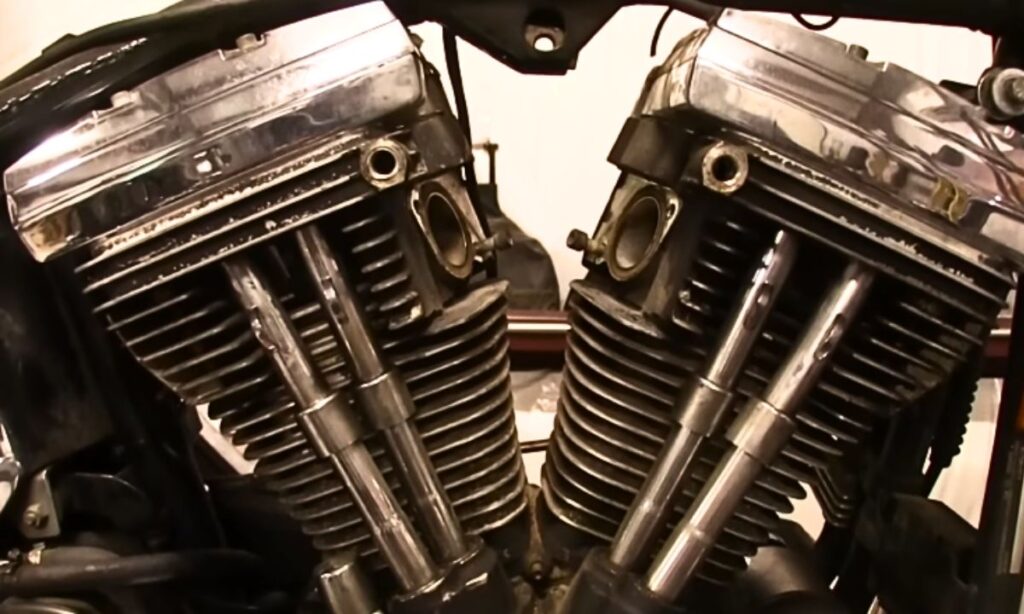
1. 1990 to 1992
The Harley-Davidson Evolution engine, commonly referred to as EVO, is considered one of the most iconic and enduring designs.
The period from 1990 to 1992 is often regarded as the best of EVO production.
During these years, Harley majorly improved the reliability and performance of the EVO motors by addressing some of the issues that had affected the early models.
The 1340cc V-twin EVO engine in this period had improved heat management, better lubrication, and robust build quality.
It produced 58 horsepower at 5000 RPM and a torque of 70 ft-lbs at 3600 RPM.
Its compression ratio was 8.5:1. The revised Evo engine had aluminum cylinders, which helped reduce the weight and improve heat dissipation.
One of the significant reasons these years are highly valued by enthusiasts is that Harley ensured the engine’s reliability without compromising on the iconic Harley sound and feel.
The company’s dedication to improving the performance of the EVO motor while preserving its traditional appeal is what makes the 1990-1992 EVO motors a favorite among Harley fans.
2. 1996 to 1999
The years 1996 to 1999 are often singled out by enthusiasts and experts as the best era for this engine.
This is mainly due to the numerous upgrades and refinements made during this period.
Harley took the feedback from the previous models and implemented changes to the charging system, transmission, and overall engine design.
These changes resulted in a more reliable, smoother running, and service-friendly motor.
The Evo engines during this period had an 80 cubic inch (1340cc) displacement, 8.5:1 compression ratio, and four valves per cylinder.
They were air-cooled, with a V-Twin four-stroke configuration and a bore and stroke of 3.5 by 4.25 inches.
What makes these particular years most valuable is the combination of enhanced performance, reliability, and the classic look that Harley is known for.
Plus, these units are easier to service and repair because of their solid construction and the availability of parts.
The 1996-1999 Evo engines stand as a testament to the enduring quality and appeal of Harley-Davidson’s engineering prowess.
Which Motorcycles Come Equipped With The Evo Motor?
The Evolution (Evo) engine is recognized for its reliability, impressive power, and iconic rumble that is synonymous with the Harley-Davidson brand.
Several motorcycle models from Harley come equipped with the Evo motor, including but not limited to the Softail series, the Dyna, and certain models of the Sportster.
Each of these motorcycles boasts the sturdy performance and robust strength that the Evo motor delivers, making them a favorite among motorcycle enthusiasts.
Here are some of the motorcycles models which come equipped with the Evo motor;
1. Sportster 1200
The Harley-Davidson Sportster 1200 is one of the iconic models that comes equipped with the revered Evolution (Evo) Motor.
Introduced in 1988, the Sportster 1200 quickly became a favorite due to its powerful performance and easy maneuverability.
The 1200cc Evo Motor, an air-cooled, V-Twin engine, provides the Sportster with its punchy power and distinctive rumble.
Its pushrod design and overhead valve architecture are characteristic of classic Harley design, ensuring reliability and ease of maintenance.
The Sportster 1200 offers a low-slung, sporty riding position and usually comes with a 5-speed gearbox.
Over the years, Harley has released various versions of the Sportster 1200, including the Sportster 1200 Custom, Sportster 1200 Low, and Sportster 1200 Nightster, each with its unique styling and features.
2. Fat Boy
The Harley-Davidson Fat Boy is one of the most iconic motorcycles that comes equipped with the Evo, or Evolution, motor.
Originally introduced in 1990, the Fat Boy boasts a power-packed Evolution V-Twin engine that has proven its reliability and performance over the years.
The Fat Boy’s engine, with an 81.7 cubic inch (1,340 cc) displacement in most models, is air-cooled and employs overhead valves.
The engine’s design contributes to the motorcycle’s raw power and unmistakable thunderous sound, delivering a peak torque of 63 ft-lb at 3,500 rpm.
The Fat Boy’s wide tires, solid disc wheels, and low, streamlined profile make for an imposing presence on the road.
Fuel economy is another aspect where the Fat Boy shines, offering approximately 42 miles per gallon, depending on riding conditions.
The fuel tank capacity of 5 gallons gives it a decent range between refills.
3. Softail Custom
The Harley-Davidson Softail Custom is a classic motorcycle model, renowned for its unique design and superior performance, that comes equipped with the Evo engine.
Introduced in 1984, the Evolution engine holds a special place in Harley-Davidson’s history due to its durability and the significant improvements it brought in terms of power and reliability.
The Softail Custom is characterized by its iconic vintage look, accentuated by a low-slung, ‘slammed’ design.
It features a 1340cc V-Twin Evo engine that produces ample power for highway cruising.
This engine is air-cooled and uses a pushrod-actuated overhead valve with two valves per cylinder.
The Softail Custom also showcases a unique rear suspension system, concealed to give the appearance of a ‘hardtail’ motorcycle design.
The Softail Custom, with its Evo engine, is a testament to Harley’s commitment to blending tradition with innovation.
Worst Years For Harley EVO
The Evolution engine provided a significant breakthrough for Harley-Davidson when it was introduced in 1984.
However, not all years were golden for the EVO. Some production years stand out as particularly problematic for various reasons, from mechanical flaws to design shortcomings.
Usually, 1984 to 1989, 1989 to 1991, and 1992 to 1999 are the years that are considered the worst years for Harley Evo.
1. 1984 to 1989
The period from 1984 to 1989 was a challenging time for Harley-Davidson’s Evolution engine.
It was introduced in 1984; the EVO represented a significant departure from the issues that plagued the previous Shovelhead engines.
However, these initial EVO models were fraught with problems, contributing to a reputation for unreliability.
One of the major issues was oil leaks. The EVO engines were notorious for leaks, often stemming from the cases, rocker boxes, and pushrod tubes.
While oil leaks were not uncommon in motorcycles of this era, the frequency and severity seen in these early EVO models were particularly troublesome.
Another significant problem was with the camshaft. Early EVOs were equipped with a bolt-on cam gear system, which had a tendency to loosen over time.
This leads to a catastrophic engine. This problem was so severe that many owners opted to replace the entire cam system with an aftermarket setup.
Moreover, early EVO engines had issues with heat management. The engine design didn’t dispose of heat effectively, leading to overheating.
Which causes excessive wear on the engine components and leads to premature engine failure.
These engines had transmission and charging system issues.
Many of the early models had a 4-speed transmission that was not as durable or reliable as the 5-speed version that was introduced later.
The charging systems in these motorcycles were also notoriously unreliable, often leaving riders stranded with a dead battery.
2. 1989 to 1991
The years between 1989 to 1991 are considered some of the worst for Harley-Davidson’s Evolution (EVO) engine.
This period marked a series of mechanical and manufacturing issues that led to a decline in the engine’s reliability and overall performance.
One of the main issues was related to the valve train. Harley EVO engines during these years were known to have excessive valve train noise.
This was primarily due to the hydraulic tappets or lifters not adequately maintaining zero valve lash, leading to the valves not functioning properly.
Moreover, the base gaskets were prone to leaks due to poor quality of materials used.
This led to oil leaks, a problem that Harley had been struggling with for years.
This particular issue was more prevalent in the 1340cc Big Twin EVO engines.
The Keihin carburetor used in these models was another significant problem. Riders often complained about the bikes running lean, leading to overheated engines and poor throttle response.
This issue was primarily a result of EPA emissions regulations forcing Harley-Davidson to set the carburetor lean to meet these standards.
3. 1992 to 1999
From 1992 to 1999, the Harley-Davidson Evolution engine faced numerous issues, which led these years to be considered the worst for the EVO engine.
The primary concern was quality control during manufacturing. Many engines were plagued with faulty parts that often led to serious breakdowns.
The most notable issue was the infamous top-end oil leaks. Poor gasket design caused the oil to leak from the heads, which often resulted in overheating problems.
This was particularly a menace during long rides, resulting in numerous roadside repairs and a lot of frustration for riders.
Another common problem was with the transmission. The shifting mechanism was prone to failure, leading to difficulty in shifting gears, which impacted the overall riding experience.
During this period, EVO engines had a serious problem with crankshaft runout.
This issue caused the crankshaft to misalign, leading to serious internal damage and, often, a complete engine failure.
These issues collectively led to a decline in customer confidence and tarnished the brand’s reputation, making the period from 1992 to 1999 the most problematic year for the Harley EVO.
Are Harley Evo motors reliable?
The Harley Evo motor is widely regarded as one of the most reliable engines that Harley-Davidson has ever produced.
It was launched in 1984, this engine’s reliability comes from its design improvements and technological advancements over its predecessor, the Shovelhead engine.
The Evo motor boasts a lightweight design, improved oil circulation, and better heat management, which significantly reduces the engine’s wear and tear.
This engine is more likely to reach the 100,000-mile mark with routine maintenance and proper care.
Tonmoy, the brains behind the influential motorcycle-focused website, TwoWheller.com, is a dedicated and passionate advocate for biking culture. Born and raised in a family of motorcycle enthusiasts, his love for two-wheeled transportation was ignited at an early age. His commitment to providing in-depth reviews and helpful tips for riders has established him as a respected figure in the motorcycle community.
I’ve had the pleasure and sometimes frustration of working with various engines over the years.
Still, none has sparked more debate among the Harley community than the transition from the legendary Evo motor to the Twin Cam 96.
And the question is, is the Harley 96 a good engine? Arises in the minds of many riders and enthusiasts.
In this article, we will dive deep into my years of experience and share my insights about this workhorse of an engine.
Is The Harley 96 a Good Engine
The Harley-Davidson 96 cubic inch engine, introduced in 2007, is indeed a worthy power plant.
Known for its robust and reliable performance, it provides a solid balance of power and torque, suitable for cruising and long-distance rides.
Its V-twin configuration ensures a distinct and pleasing exhaust note that many riders associate with the essence of motorcycling.
The engine’s resilience and longevity contribute to its appeal, with proper maintenance often leading to substantial mileage without major mechanical issues.
Hence, the Harley 96 is generally considered a good engine in the motorcycling community.
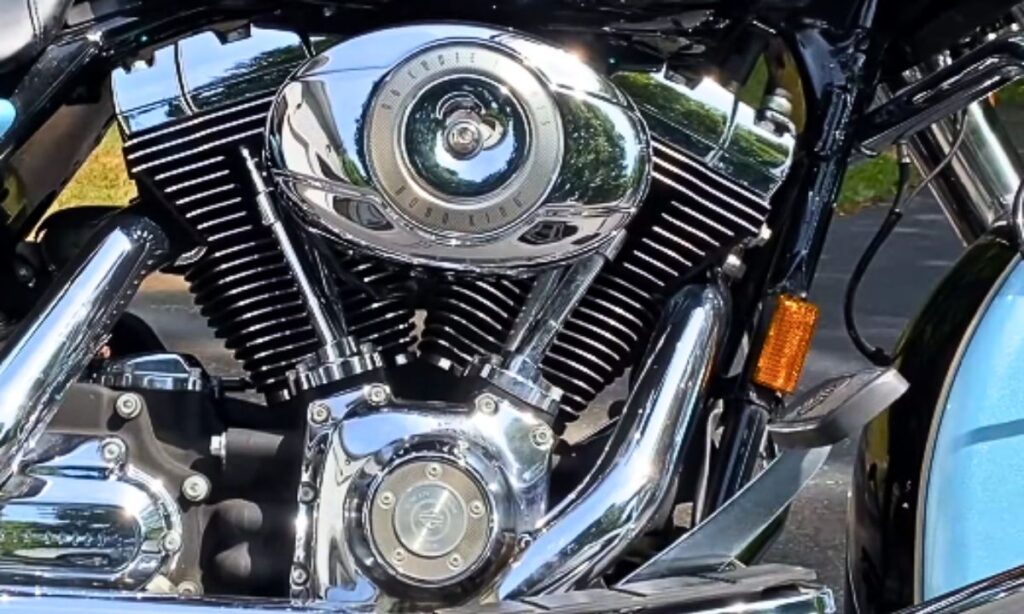
History of Harley 96 Engine
The Harley 96 engine was introduced in 2007; it is also known as the Twin Cam 96 and was a significant step forward in the lineage of American V-twin engines.
This engine was the company’s response to the demand for more power and torque, especially for the larger touring motorcycles.
The Twin Cam 96 engine featured a displacement of 1584cc, courtesy of its 3.75-inch bore and 4.38-inch stroke.
It was the first time since the Knucklehead that Harley-Davidson increased the bore of its V-twin engine.
The engine also boasted electronic fuel injection, which was steadily becoming the industry standard, replacing the carburettor system.
While the Twin Cam 96 was part of the Harley-Davidson lineup only until 2011, it left a significant imprint on the company’s history and continues to be appreciated by Harley fans worldwide.
The engine, known for its robustness and reliability, continues to power many Harley motorcycles on the road today.
Common Issues With Harley 96 Engine
The Harley-Davidson 96 cubic inch engine, despite being a formidable powerhouse, does have some common issues that riders should be aware of.
One well-known problem is oil leakage, particularly from the air cleaner, which can be attributed to the engine’s breathing system design.
Another significant issue is the premature wear in the cam chain tensioner, which can lead to serious engine damage if not addressed timely.
Furthermore, some owners have reported overheating problems, especially when riding in high-temperature conditions.
1. Cam Chain Issue
One of the more commonly reported issues with the Harley 96 engine is related to the cam chain tensioner.
The cam chain tensioner, responsible for keeping appropriate tension on the cam chain, can often wear out prematurely.
This wear and tear can lead to serious engine problems and, in some cases, complete engine failure.
When the tensioner wears out, the chain can slacken, causing it to slap against the side of the engine or even skip a tooth on the cam gears.
This causes a rough-running engine and severe damage over time. It’s usually identified by a distinctive rattling noise from the engine, especially at idle.
To rectify this issue, you will need to replace the cam chain tensioner. This replacement process involves the following steps:
- Before you start, ensure your engine is cool. Drain the engine oil and safely dispose of it.
- Using the appropriate Torx or Allen wrench, remove the cam cover.
- Visually inspect the cam chain tensioner. If the shoe attached to the tensioner is worn out or the spring has lost tension, it’s time to replace it.
- Remove the old tensioner and replace it with a new one. Ensure the new tensioner is of high quality to increase longevity.
- Reinstall the cam cover and refill the engine with oil.
It’s recommended to inspect your cam chain tensioner every 15,000 to 20,000 miles, depending upon your riding style and the condition of the engine.
2. Stator Failure
One of the common issues reported with the Harley 96 engine is stator failure.
The stator, a crucial part of the motorcycle’s charging system, is responsible for generating the electrical power needed for the bike’s battery and electrical systems.
When a stator fails, the motorcycle might experience a plethora of problems, including a dead battery, dim lights, or even an inability to start.
Stator failure usually can be due to excessive heat and vibration, leading to a breakdown of the insulation and eventual shorting of the stator windings.
Signs of a failing stator include dimming lights, weak battery, rough idle, or the check engine light coming on.
To check the stator failure, use a multimeter to test the voltage between the battery terminals and the engine at about 2000 RPM.
If the voltage reading is lower than the standard 13.5-14.5 volts, it indicates a possible stator problem.
If a stator failure is the root cause of the issue, replace the faulty stator with a new one.
Replacing a stator can be a complex task that requires mechanical knowledge and experience.
If you’re not comfortable doing it yourself, it may be best to take your motorcycle to a professional mechanic.
3. Excessive Vibration
One of the most common issues reported by riders is excessive vibration, which can not only degrade the riding experience but also potentially lead to mechanical problems.
Excessive vibration in the Harley 96 engine is often a byproduct of the engine’s design, as it’s a large V-Twin with a high torque output that naturally tends to vibrate.
These vibrations can be exacerbated if the engine is not properly maintained or if there are issues with the bike’s alignment or balance.
To address this issue, start by checking the engine mounts. These are designed to absorb some of the engine’s vibration and can become worn or damaged over time.
If they are not in good condition, it may be necessary to replace them.
Next, check the alignment of your bike. If the wheels are not properly aligned, this can cause excessive vibration.
You can do this yourself using a straightedge and measuring tape, or you can have a professional perform the alignment for you.
You should also consider investing in a high-quality seat with good padding, as this can help absorb some of the vibration and make your ride more comfortable.
4. Bearing Failure
This problem typically manifests as a whirring or grinding noise, which becomes increasingly noticeable as the bike gains speed.
The root cause is usually inadequate lubrication, although it could also be due to the installation of poor-quality bearings or the presence of dirt.
When the bearing fails, it not only affects the bike’s performance but can also lead to other complications if not addressed promptly.
As bearings are pivotal for reducing friction and ensuring the smooth operation of moving parts, their failure could escalate to more serious mechanical damage.
To rectify this, firstly, identify the affected bearing: it could be the crankshaft, camshaft, or wheel bearings.
Then, arrange for a replacement with high-quality bearings and ensure they are properly fitted and lubricated.
How Does The Twin Cam 96 Compare to The Evo Motor?
The Harley-Davidson Twin Cam 96 and the Evolution (EVO) motor are two iconic power units that have powered Harley motorcycles for years.
The Twin Cam 96, introduced in 2007, boasts a displacement of 96.66 cubic inches (1,584 cc) and an increased stroke length, enhancing torque output and overall power.
The engine’s design, which features two cams, each operating one set of valves, distinguishes it from the EVO motor.
The EVO motor, named for its evolution from Harley’s earlier Shovelhead and Ironhead engines, was produced from 1984 until 1999.
Known for its reliability and easier maintenance, the EVO motor features a displacement of 81.8 cubic inches (1,340 cc).
The EVO motor has a single cam operating all four valves, which contributes to its unique sound and performance characteristics compared to the Twin Cam 96.
The Twin Cam 96 provides superior power and torque, but the EVO motor is renowned for its reliability and simpler mechanical design.
Both engines have their distinct advantages and unique characteristics, making the choice between the Twin Cam 96 and the EVO motor a matter of personal preference, riding style, and maintenance comfort.
Tonmoy, the brains behind the influential motorcycle-focused website, TwoWheller.com, is a dedicated and passionate advocate for biking culture. Born and raised in a family of motorcycle enthusiasts, his love for two-wheeled transportation was ignited at an early age. His commitment to providing in-depth reviews and helpful tips for riders has established him as a respected figure in the motorcycle community.