This guide covers the Harley Davidson models with the most reliable engines, helping you make an informed choice whether you’re buying new or used.
Why Engine Reliability Matters
 Reduced Maintenance Costs – Reliable engines require fewer repairs over time.
- Longevity – Durable engines last longer, even under heavy riding conditions.
- Peace of Mind – A dependable engine makes long rides worry-free.
- Resale Value – Reliable engine models tend to hold value better.
Top Harley Davidson Models With the Most Reliable Engines

| Harley Model | Engine Type | Production Years | Reliability Notes |
|---|---|---|---|
| Softail Standard | Twin Cam 103 / Milwaukee-Eight 107 | 2010–Present | Known for smooth operation, low maintenance, and longevity. |
| Road King | Twin Cam 96 / Milwaukee-Eight 107 | 2009–Present | Touring powerhouse with a proven, durable engine. |
| Street Glide | Twin Cam 103 / Milwaukee-Eight 107 | 2010–Present | Reliable for long-distance touring with minimal engine issues. |
| Fat Boy | Twin Cam 96 / Milwaukee-Eight 114 | 2008–Present | Strong, consistent performance; low failure rates. |
| Electra Glide | Twin Cam 103 / Milwaukee-Eight 107 | 2009–Present | Touring comfort with highly dependable engine performance. |
| Sportster 1200 | Evolution / Ironhead / XL 1200 | 2004–Present | Sportster engines are simple, robust, and easy to maintain. |
| Freewheeler | Milwaukee-Eight 114 | 2014–Present | Three-wheel reliability with a strong, smooth engine. |
| Pan America 1250 | Revolution Max 1250 | 2021–Present | Modern adventure bike with an advanced, reliable engine. |
Pro Tip: While Harley engines are generally reliable, regular maintenance, oil changes, and timely belt/chain inspections are essential to keep them running smoothly.
Common Signs of a Less Reliable Engine
- Frequent overheating or oil leaks
- Unusual knocking or ticking noises
- Excessive vibration not typical for model
- Poor fuel efficiency or inconsistent power delivery
- By avoiding these warning signs, you can choose a Harley with a dependable engine and avoid costly repairs down the line.
Tips to Maintain Engine Reliability
- Regular Oil Changes: Follow manufacturer recommendations for oil type and change intervals.
- Check Belts & Chains: Ensure proper tension to avoid undue stress on the engine.
- Inspect Cooling System: Air-cooled and liquid-cooled engines require regular checks.
- Use Quality Fuel: Avoid ethanol-heavy fuels; stick to recommended gasoline grades.
- Professional Tune-Ups: Even minor engine adjustments can prevent long-term issues.
FAQs About Harley Engine Reliability
Q1. Which Harley engines are considered the most reliable?
Twin Cam and Milwaukee-Eight engines are widely regarded as the most dependable.
Q2. Are older Harley engines less reliable?
Some older engines like Evo and Ironhead require more frequent maintenance but are still robust if cared for.
Q3. How can I tell if a used Harley engine is reliable?
Check service history, look for leaks, listen for unusual noises, and inspect compression and performance.
Q4. Does engine type affect resale value?
Yes, models with Twin Cam or Milwaukee-Eight engines typically retain value better than older engines.
Q5. Can maintenance improve a Harley engine’s reliability?
Absolutely! Regular oil changes, inspections, and following manufacturer recommendations drastically improve reliability.
Final Thoughts
Choosing a Harley Davidson with a reliable engine ensures a smooth, worry-free ride and a bike that lasts for years. Models like the Softail, Road King, Sportster, Fat Boy, and Pan America are known for engine durability, making them excellent choices for both new and experienced riders.

Tonmoy is a recognized author and editor known for his deep passion and expertise in the world of motorcycles. His work goes beyond the mechanics and aesthetics, capturing the vibrant culture of motorcycle clubs and the strong sense of brotherhood shared by riders. Tonmoy’s special enthusiasm for motorcycle clubs adds depth to his writing, making his contributions to the motorcycle community both insightful and impactful
This guide covers the Harley touring models that hold value best, helping you make an informed choice whether you’re buying new or second-hand.
Why Resale Value Matters
- Financial Sense – Buying a bike that holds value reduces long-term costs.
- Smart Investment – Some models are collectible and appreciate over time.
- Reliability & Popularity – High-demand models tend to retain value.
- Depreciation Awareness – Knowing which models depreciate faster helps avoid losses.
Harley Touring Models That Hold Value Best

| Model Name | Production Years | Key Features | Value Notes |
|---|---|---|---|
| Road King | 2009–Present | Classic touring with hard saddlebags, strong Twin Cam / Milwaukee-Eight engine | High resale due to timeless styling and dependable performance |
| Street Glide | 2006–Present | Batwing fairing, premium sound system | Popular among touring riders; retains value well |
| Electra Glide | 2009–Present | Full touring package, comfort features | Strong resale; dependable long-distance performer |
| Road Glide | 1998–Present | Shark-nose fairing, dual headlights | Collectible styling, holds value, especially post-2010 models |
| Ultra Limited | 2014–Present | Top-tier touring features, Milwaukee-Eight engine | Retains value due to luxury features and brand popularity |
| Tri Glide Ultra | 2009–Present | Three-wheel touring model | Niche market, but high demand keeps resale value strong |
Factors That Affect Harley Touring Value
- Year & Engine: Newer engines like Milwaukee-Eight hold value better.
- Mileage: Low-mileage bikes always fetch higher resale prices.
- Condition: Cosmetic and mechanical condition affects buyer willingness.
- Modifications: Factory-standard bikes often retain value better than heavily customized ones.
- Popular Features: Bikes with premium audio, fairings, and luggage options are in higher demand.
FAQs About Harley Touring Resale Value
Q1. Which Harley touring model holds value the best?
Road King and Street Glide consistently have the highest resale value.
Q2. Do Harley Electra Glide bikes depreciate quickly?
They depreciate like most bikes but retain value well due to their classic features and reliability.
Q3. Does mileage affect resale value significantly?
Yes, lower mileage increases resale value, especially for touring bikes designed for long-distance use.
Q4. Are older Harley touring bikes worth buying?
Yes, if they’re well-maintained. Certain older models, like pre-2010 Road Glides, are collectible and retain value.
Q5. Do aftermarket modifications reduce value?
Sometimes. Buyers often prefer stock bikes unless modifications add performance or comfort.
Final Thoughts
If you’re looking for a Harley touring bike that holds value best, consider models like the Road King, Street Glide, Electra Glide, Road Glide, Ultra Limited, and Tri Glide Ultra. These bikes are popular, reliable, and maintain their resale value, making them excellent choices for both new and experienced riders.
Tonmoy is a recognized author and editor known for his deep passion and expertise in the world of motorcycles. His work goes beyond the mechanics and aesthetics, capturing the vibrant culture of motorcycle clubs and the strong sense of brotherhood shared by riders. Tonmoy’s special enthusiasm for motorcycle clubs adds depth to his writing, making his contributions to the motorcycle community both insightful and impactful
However, like all motorbikes, it has had its share of less-than-stellar production years.
In this article, we will identify the specific years of the Fat Boy model that have been associated with recurring issues or complaints and explain why you should avoid them.
Harley Fatboy Years To Avoid
The Harley-Davidson Fat Boy is an iconic motorcycle admired for its classic design and robust performance.
However, like any other vehicle, there are certain model years that have been criticized by riders for various reasons.
In order to ensure you enjoy the best riding experience, it’s essential to steer clear of these less favorable years.
Usually, the 1999, 2002, 2003, 2004, 2006, 2007, and 2018 years of Harley Fat Boy are considered to be avoided.
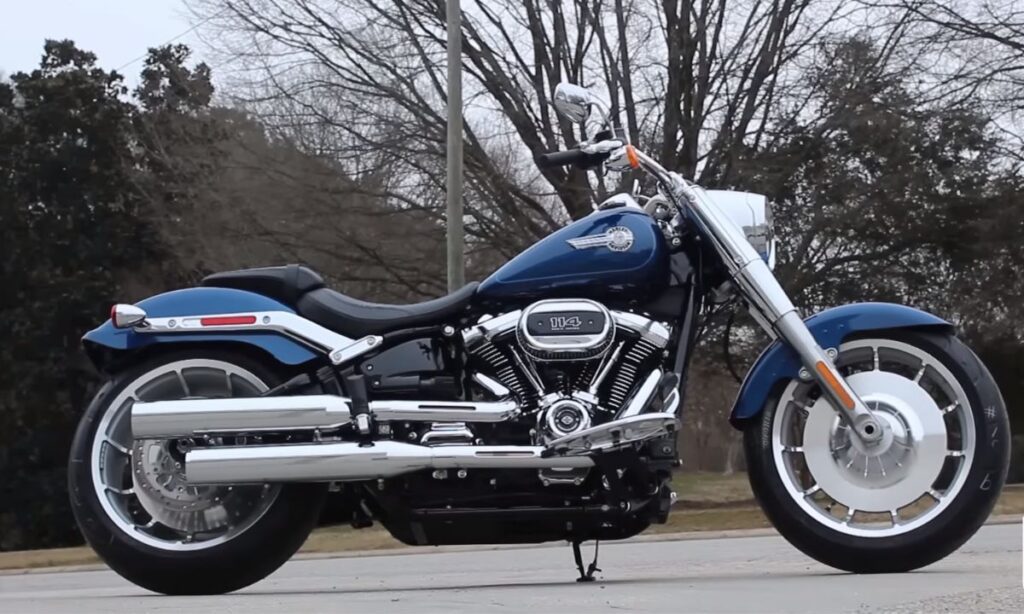
1. 1999 Fat Boy
The 1999 model often appears on the list of years to avoid for several reasons. The Twin Cam 88 engine, which was first introduced in 1999, is known for a significant issue.
This engine had a design problem with the cam chain tensioner that started to break down earlier than expected, leading to severe engine damage.
What made this problem worse was that Harley Davidson used the same faulty parts in their repair kits. So, the issue kept happening until they finally fixed the problem in 2007.
Another issue was the bike’s susceptibility to severe vibration, leading to loosened bolts and parts, which required constant maintenance and tightening.
The vibration was due to a weak motor mount, which made the ride uncomfortable and less enjoyable for many riders.
Moreover, the 1999 Fat Boy model was also known for its transmission problems.
Riders often reported difficulty finding neutral or even having the bike pop out of gear while riding.
This was a significant safety concern and another reason why this particular year model is typically avoided.
You should note that these issues can be resolved with aftermarket parts and modifications, but they require additional investment beyond the initial purchase.
2. 2002 Fat Boy
The 2002 model has been known to experience certain issues that have led many to suggest avoiding this particular model year.
One of the main reasons is its susceptibility to crankshaft problems.
This model was designed with the Twin Cam 88 engine, which unfortunately had a flaw in the crankshaft design that caused it to become unbalanced.
This led to a series of issues, including serious vibration, poor performance, and even engine failure in extreme cases.
Another problematic feature of the 2002 Fat Boy was the cam chain tensioner.
This component had a tendency to wear out prematurely, leading to potential engine damage if not addressed promptly.
Some owners have reported significant replacement and repair costs related to this issue.
Lastly, the 2002 model also had issues with its fuel injection system. The Delphi fuel injection system was known to be problematic, leading to erratic
performance and, in some cases, complete engine shutdown.
While every motorcycle has its pros and cons, the number and severity of the issues associated with the 2002 Harley-Davidson Fat Boy make it a model year that many would recommend the worst year.
3. 2003 Fat Boy
The 2003 Fat Boy is often considered a model year to avoid due to some prevailing issues that have been reported by riders over the years.
One of the primary concerns faced with this model pertains to the Twin Cam 88 engine.
This engine was known to have cam chain tensioner problems, which lead to serious engine damage if not addressed in time.
The cam chain tensioner, which is intended to keep the engine’s timing chain at the proper tension, wears out prematurely, leading to potential engine failure.
The 2003 Fat Boy also suffered from an inherent design flaw with its closed-loop fuel injection system.
Riders often reported poor idle and throttle response, and there were also cases where the fuel system caused engine overheating.
This could result in wear and tear of several components, leading to substantial repair costs.
However, the vibration on the 2003 model was reported to be more extreme than on other Harley Fat Boy models.
This led to issues with rider comfort and stability, and in some instances, it resulted in mechanical issues such as nuts and bolts shaking loose.
It’s important to note that not every 2003 Fat Boy will exhibit these issues, and many riders have had positive experiences with this model.
However, if you’re a potential buyer, you should be aware of these known issues and consider them when making a purchasing decision.
4. 2004 Fat Boy
The 2004 year model, also known as the FLSTF model, has been flagged by many enthusiasts and experts the worst year.
This is mainly due to the common issues associated with its Twin Cam 88B engine, which was used in this model.
The Twin Cam 88B, while generally reliable, was known to have problems with the cam chain tensioner.
This component was not as durable as needed and often experienced premature wear. This wear leads to engine failure, a costly and time-consuming issue to repair.
Another reason to steer clear of the 2004 Fat Boy model is its susceptibility to wiring harness problems.
Many riders reported electrical issues, which are often traced back to the wiring harness.
This part was prone to degradation over time, which led to a range of electrical problems, from minor inconveniences like the failure of lights to more serious issues like the motorcycle not starting at all.
Furthermore, some of the 2004 Fat Boys were found to have an issue with the transmission bearings.
If these bearings fail, the motorcycle potentially loses its ability to change gears, thus hindering the riding experience.
While the 2004 Fat Boy has its allure in terms of style and performance, the recurrent issues with engine components, electrical wiring, and transmission can lead to hefty repair bills.
5. 2006 Fat Boy
The 2006 model, while iconic in design, is often considered one of the problematic year models by many motorcycle enthusiasts and experts.
This particular year was plagued by problems with its Twin Cam 88B engine, which was prone to severe overheating.
This led to a ripple of associated problems, including warped components, oil leakages, and, sometimes, a total engine failure.
However, the 2006 Fat Boy was notorious for having a problematic cam chain tensioner.
The stock tensioner had a tendency to wear out prematurely, which led to catastrophic engine troubles if not replaced in time.
The bike also faced recurrent issues with its transmission, specifically in terms of difficulty in shifting gears and a rather clunky and abrupt engagement that impeded the riding experience.
Another notable concern was the poor fuel economy and the excessive vibration at high speeds, which cause discomfort during long rides.
These problems, along with a few electrical issues and the general unreliability of this year’s model, make the 2006 Fat Boy a less desirable choice in the Harley line-up.
6. 2007 Fat Boy
The 2007 Fat Boy is often cited among the models to avoid due to a range of issues that compromise its reliability and performance.
One of the main complaints stems from the engine, which suffers from the Twin Cam 96’s infamous cam chain tensioner problem.
This issue leads to serious damage if not addressed promptly, potentially resulting in expensive engine repairs.
Moreover, 2007 also marked the introduction of Harley’s first attempt at electronic fuel injection (EFI).
Unfortunately, it was not as refined as it could have been; riders often reported difficulty starting the bike and maintaining a steady idle, particularly in cold weather.
Another significant concern with this model year was the six-speed transmission, which was new for the Softail line in 2007.
While the additional gear was a welcome feature, it was marred by reports of hard shifting and ‘finding neutral’ problems.
The quality of the chrome was not up to par for Harley standards. Many owners reported the chrome flaking off the bike, which can be more than just an aesthetic issue.
The metal underneath can corrode if left unprotected, leading to further complications.
7. 2018 Fat Boy
The 2018 model has often been criticized by riders for its noticeable shortcomings. The main issue with the 2018 Fat Boy comes from the Milwaukee-Eight engine.
Despite being strong and smooth-running, many riders have reported that the engine gets too hot, particularly in slow traffic or on long rides in warm weather.
This increase in temperature doesn’t just make the ride uncomfortable, but it also causes bigger mechanical problems as time goes on.
Another concern was the redesign of the Softail frame. While this change was intended to improve handling and stability.
Many riders felt it actually made the ride less comfortable and less responsive, especially at higher speeds.
However, the 2018 Fat Boy was heavier compared to its previous versions, making it harder to handle for some riders, particularly in tight turns or riding at low speeds.
It also had a problem with its suspension setup. Despite the rear suspension’s mono-shock design being an improvement, the front suspension was considered too rigid. This often resulted in a bumpy ride on uneven roads.
This makes long-distance rides physically taxing, causing fatigue and discomfort.
The frequent overheating issues, the unresponsive and heavy frame, and the stiff front suspension make the 2018 Harley Fat Boy often avoided by potential buyers.
Tonmoy, the brains behind the influential motorcycle-focused website, TwoWheller.com, is a dedicated and passionate advocate for biking culture. Born and raised in a family of motorcycle enthusiasts, his love for two-wheeled transportation was ignited at an early age. His commitment to providing in-depth reviews and helpful tips for riders has established him as a respected figure in the motorcycle community.
Many people ask which model year of the Softail Classic is the best year for comfort, speed, and looks great. In this article we will explore the best and the worst years of the Heritage Softail Classic.
Best Year Heritage Softail Classic
The Heritage Softail Classic is a timeless model from the iconic Harley-Davidson motorcycle line-up.
People love the Heritage Softail Classic because it reminds them of old-fashioned 1940s motorcycles. At the same time, it uses modern technology, perfectly combining the old and new.
The best year for this model is often debated among enthusiasts, but many agree the mid to late-2000s versions stand apart.
Usually, the years 2007, 2008, 2014, 2015, and 2021 are considered the best years for the Heritage Softail Classic.
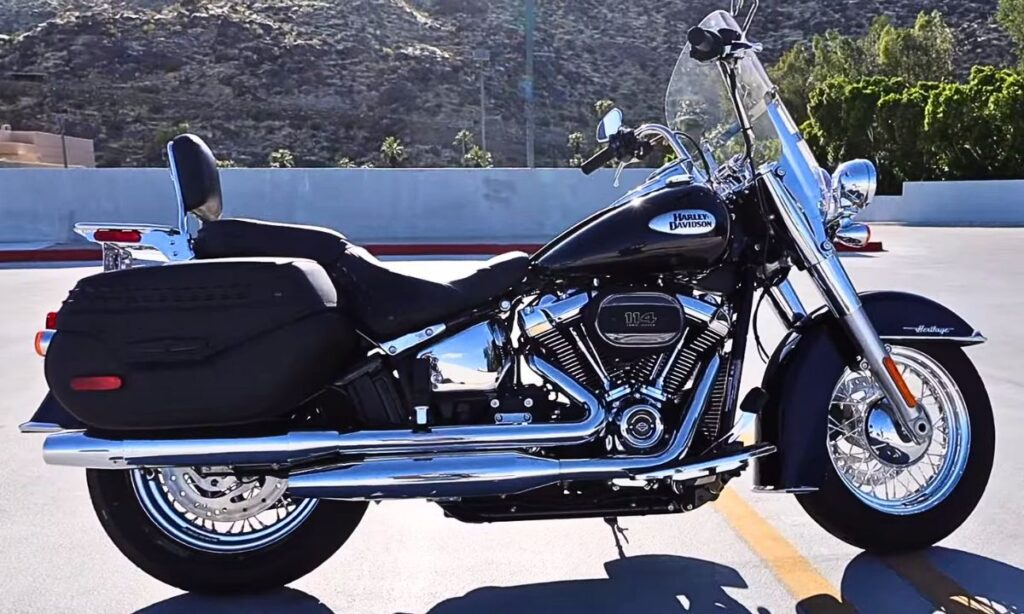
1. 2007 Softail Classic
This motorcycle stands for the perfect blend of classic and modern features, making it an invaluable gem for motorcycle enthusiasts.
It has a beautifully made thick front fork, which looks a lot like the 1949 Harley-Davidson Hydra-Glide, adding a perfect old-fashioned touch.
It features a 1584cc Twin Cam 96B engine, six-speed Cruise Drive transmission, and electronic sequential port fuel injection.
The 2007 model also offers a 5-gallon fuel capacity, ensuring longer rides with fewer stops.
The Softail frame mimics the clean lines of a vintage hardtail frame, offers the comfort of modern suspension.
Arguably, the most striking aspect of the 2007 Softail Classic is its distinctive studded leather saddlebags and seat.
The motorcycle’s classic look is boosted by the easily removable passenger backrest.
The long footboards for the rider and the large Hiawatha headlight, surrounded by shiny chrome, also add to its old-time charm.
The 2007 Heritage Softail, with its classic design, modern performance, and distinctive Harley craftsmanship, is a perfect example of Harley’s heritage fused with modern-day tech.
2. 2008 Softail Classic
It stands out as an exemplary model due to its perfect blend of comfort, performance, and timeless style.
This year’s model marked the introduction of the new Twin Cam 96B engine, a 1584cc powerhouse that provides impressive torque and satisfying rumble that riders have come to love.
The 2008 Softail Classic also featured an improved 6-speed Cruise Drive transmission, providing seamless gear shifts and making long rides even more enjoyable.
Its iconic design, complemented by a distinctive headlight nacelle, leather saddlebags, and a full windshield, harked back to the classic ’50s cruisers.
However, the 2008 version was equipped with a comfortable and spacious passenger seat with backrest, making it perfect for two-up rides.
The detachable windshield and studded leather saddlebags provide versatility, adding to this model’s practicality.
It also features a raked-back handlebars, a full-coverage rear fender with tombstone taillight, and a large, tank-mounted speedometer.
3. 2014 Softail Classic
The 2014 model is often considered the best year for this iconic Harley Davidson motorcycle line.
This particular model stands out for its blend of classic design elements, modern performance, and unparalleled comfort.
This bike has a look that reminds us of the 1940s, with its big wheel covers and old-style rear light, but it also has new features like a hidden back wheel suspension.
The Softail Classic’s old-fashioned appearance is complemented by advanced options like an anti-lock braking system and a very powerful Twin Cam 103 engine.
This strong engine provides a lot of force when turning (96.9-foot pounds at 3,000 RPM), making every ride exciting.
The 2014 model also excelled in rider comfort, boasting a redesigned, more comfortable seat and ergonomically shaped handlebars.
The motorcycle’s half-moon floorboards and passenger seats with detachable sissy bars make long journeys enjoyable.
In terms of value, the enduring appeal of the Heritage Softail design, coupled with its strong performance and feature set, make it a sought-after model for collectors and enthusiasts.
This classic blend of style, performance, and comfort makes the 2014 Heritage Softail Classic a standout in its class.
4. 2015 Softail Classic
The 2015 Heritage Softail Classic is often considered the crown jewel among motorcycle enthusiasts for numerous reasons.
This model year stands out due to its meticulous blend of classic and modern features, striking the perfect balance between nostalgia and innovation.
One of the reasons for its high value lies in its engine, the High Output Twin Cam 103B engine.
This refined powerhouse delivers an impressive torque of 97.4 ft-lb at 3000 rpm, providing riders with a smooth yet robust performance that is hard to match.
Furthermore, its fuel injection system ensures optimal efficiency, reducing maintenance needs and enhancing its long-term value.
The 2015 model also introduced the Anti-lock Braking System (ABS) as a standard feature, a move that increased the bike’s safety quotient.
This innovation allows riders to maintain steering control during an emergency stop, particularly on slippery surfaces.
The bike’s look adds to its worth. The Heritage Softail Classic’s design reminds me of the good old days of biking with its shiny chrome finish, studded leather bags, and a big, clear screen.
Despite the old-school look, it has a modern, comfortable system for a smooth ride no matter the road condition.
In terms of specs, the bike weighs in at 726 pounds (dry weight), making it sturdy but not overly heavy.
It offers a reasonable fuel economy estimate of 42 mpg, and its 5-gallon fuel tank ensures long distances can be covered without frequent pit stops.
The seat is conveniently low (27 inches) which making it accessible for a wide range of riders.
5. 2021 Softail Classic
The 2021 model stands out for its timeless design that remmebers back to the golden era of motorcycling, yet it integrates state-of-the-art features and technology to ensure superior performance and rider comfort.
This popular model is loved for its beautiful mix of old and new looks. It has classic features like a removable windshield, leather saddlebags, shiny chrome finishes, and wired wheels.
These are contrasted with modern features like a sleek LED lights system and a high-performing rear mono-shock that’s cleverly tucked out of sight.
Under the hood, the 2021 Softail Classic boasts a powerful Milwaukee-Eight 114 engine.
This V-Twin powerhouse, the most potent street-compliant engine Harley has ever created, provides impressive torque and acceleration, making the Softail a joy to ride on open roads.
The 2021 Softail Classic is not just about looks and speed. It also has a great sound system that works with Apple CarPlay to make your ride more fun.
It has easy-to-use features like not needing a key to start, control for maintaining speed, and a system to prevent theft.
This makes the motorcycle convenient and ensures that you can relax.
Years To Avoid For Heritage Softail Classics
When it comes to investing in a Heritage Classic, knowing the years to avoid is critical.
This iconic Harley model, renowned for its blend of vintage charm and modern performance, has had its share of ups and downs over the production years.
While some years stand out for their superior design and reliability, others have been less impressive due to mechanical issues or subpar components.
The years 2009, 2010, 2011, and 2013 are considered to be the years to avoid the Heritage Softail Classic.
1. 2009 Softail Classic
The 2009 Softail model is considered less desirable by many Harley-Davidson enthusiasts due to its problematic engine.
The year saw the transition to a new motor, the Twin Cam 96B, which was caught with issues.
Many owners reported excessive vibration and increased engine displacement, which was aimed to boost power but instead led to discomfort during long rides.
The 2009 model suffered from an issue with the bike’s automatic compression release (ACR) system.
This system, designed to make starting easier for larger engines, often malfunctioned in the 2009 Softail, causing hard starts or, in some cases, no start at all.
These models also had issues with their fuel systems. Many users complained about the fuel injection system, which led to poor throttle response and inconsistent engine operation.
The issue was significant enough that it often resulted in a costly trip to the repair shop.
Due to these persistent issues, potential buyers are often advised to avoid the 2009 Softail Classic.
2. 2010 Softail Classic
The 2010 model is often listed among the models to avoid due to a series of issues it had faced over time. The first and most significant issue was with the bike’s engine.
Owners reported that the Twin Cam 96B engine equipped in this model had a tendency to run hot, which led to premature wear and tear and, in some cases, complete engine failure.
This was largely due to inappropriate cooling system design, resulting in excessive heat and insufficient airflow.
Another notable problem with the 2010 Softail Classic was with the bike’s suspension.
Despite the Softail’s iconic hidden rear suspension design aimed to replicate the clean lines of a vintage hardtail frame, the 2010 model fell short of delivering a comfortable ride.
Owners found the ride to be harsh, with the suspension struggling to cope with bumps and potholes effectively.
The 2010 Softail Classic had issues with its six-speed Cruise Drive transmission.
Riders reported instances of hard shifting and transmission slipping, a major concern from a safety perspective.
This problem seemed to be particularly prevalent when the bike was operated at highway speeds over prolonged periods.
3. 2011 Softail Classic
The 2011 model year is often listed among the models to avoid due to several reported mechanical issues. Firstly, many owners have reported excessive heat generation from the Twin Cam 96 engine.
This not only results in rider discomfort, but the extreme temperature can also potentially lead to premature wear of engine components.
The 2011 model also had problems with the clutch. Sometimes, the clutch wouldn’t let go completely, which made changing gears and controlling the motorcycle difficult.
This could also cause the motorcycle to stop suddenly and unsafely.
Furthermore, there have been complaints about the electrical system, particularly with the charging system and the ignition switch.
These issues can lead to the motorcycle failing to start or even stalling out during a ride.
Some owners have reported problems with the suspension system. These issues mainly revolve around the front fork, with reports of excessive bounce and poor handling, particularly at higher speeds or when negotiating turns.
4. 2013 Softail Classic
Many Harley fans often doubt the quality of the 2013 Heritage Softail Classic and sometimes even suggest not buying it. The primary reason for this advice lies in the problematic engine design.
This model year incorporated the Twin Cam 103 engine, which had a reputation for experiencing cam tensioner failure.
This failure led to significant damage to the motorcycle’s engine and resulted in costly repairs or even engine replacement.
This model was often known for the stator breaking down more than usual.
The stator is a key part of the motorcycle’s system that charges the battery and can cause problems if it breaks.
It could leave you with a battery that’s died or even damage other electronic parts. The 2013 Softail Classic also suffered from transmission issues.
Riders reported that the six-speed transmission was clunky and sometimes had difficulty shifting gears, which led to serious safety issues at high speeds.
The 2013 model also had issues with excessive heat from the catalytic converters, which was uncomfortable for riders on long trips.
The heat shields were less effective in this model, causing discomfort during rides.
Tonmoy, the brains behind the influential motorcycle-focused website, TwoWheller.com, is a dedicated and passionate advocate for biking culture. Born and raised in a family of motorcycle enthusiasts, his love for two-wheeled transportation was ignited at an early age. His commitment to providing in-depth reviews and helpful tips for riders has established him as a respected figure in the motorcycle community.
Over time, Harley-Davidson has made different versions of the Fatboy, each with its own unique appeal.
Which captures the sense of freedom and adventure that Harley-Davidson is all about.
In this article, we will explore the best Harley Fatboy model ever made by looking at different versions over the years.
Best year Harley Fatboy
The Harley-Davidson Fat Boy is one of the most iconic motorcycles ever produced by the American company.
It has had numerous iterations since its inception in 1990, each boasting unique features and improvements over the years.
Many enthusiasts hold different opinions on which year produced the best Fat Boy, but it’s commonly agreed that the 2005 edition.
Generally, 1992, 2002, 2003, 2005, 2007, 2013, and 2019 are considered to be some of the best years for Harley Fatboy.
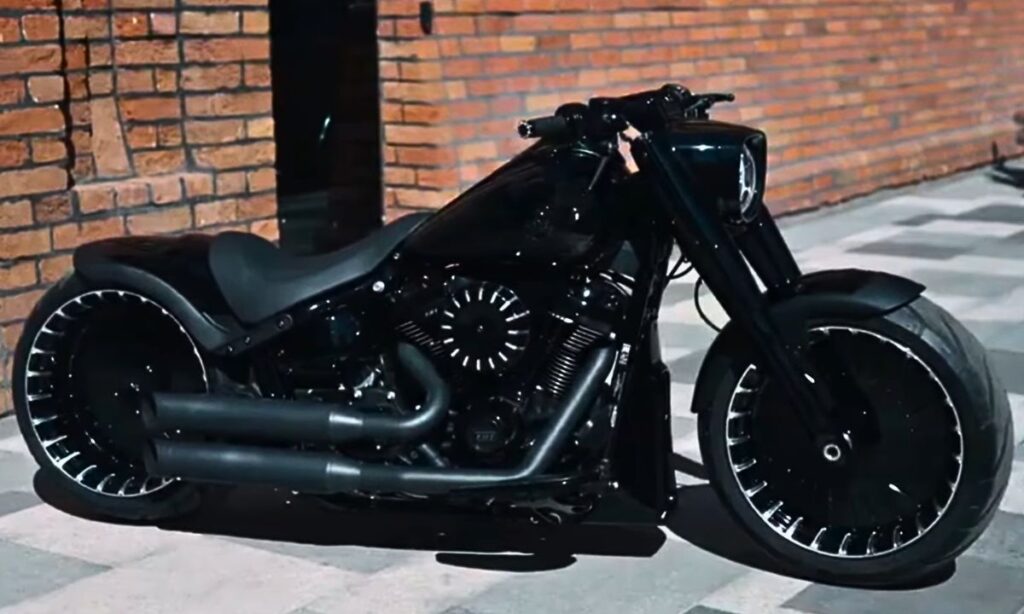
1. 1992 Fat Boy
The 1992 Fat Boy has a special place in the hearts of motorcycle enthusiasts.
It was considered by many to be the best year for the Fat Boy. It stands out from the crowd due to its unique attributes and specifications that make it highly sought after.
The 1992 model was unique because it came with a solid cast disc wheel, a design element that was only prevalent in that era.
The design was later replaced by a spoke wheel in subsequent models, making the 1992 version a rare and valuable find.
Under the hood, the 1992 Fat Boy was powered by a 1338 cc V-Twin, air-cooled, four-stroke, 45-degree V-Twin engine.
It boasted an impressive power output of 67 horsepower and 83 Nm of torque, delivering a robust and smooth performance.
The engine was paired with a five-speed gearbox, providing an exhilarating riding experience.
The unparalleled design of the 1992 Fat Boy, combined with its strong performance, heritage, and exclusivity, makes it the most valuable model.
However, its appearance in the 1991 action blockbuster ‘Terminator 2: Judgment Day’ further enhanced its iconic status among collectors and motorcycle enthusiasts.
Overall, the 1992 Fat Boy represents a blend of power, design, and cultural significance that remains unmatched to this day.
2. 2002 Fat Boy
The 2002 model is considered by many enthusiasts to be the pinnacle year for this iconic motorcycle.
The reasons for this are multi-faceted. Firstly, this model year features the Twin Cam 88B engine, a 1450cc air-cooled powerhouse that delivers exceptional torque and performance.
This engine was paired with a five-speed transmission that offered smooth shifting and a broad powerband, making the Fat Boy a pleasure to ride in a variety of conditions.
In addition to its mechanical prowess, the 2002 Fat Boy also boasts a striking aesthetic that has made it a standout in the Harley Davidson lineup.
The model features solid disc wheels, fat tires, and a broad handlebar, which gives it a distinctive, muscular appearance.
The motorcycle’s unique fuel tank, teardrop shaped, along with its full fenders, shiny front forks, and decorative trim, gives it a distinctive outline.
This look is now widely recognized as typical of the Harley-Davidson brand.
The 2002 Fat Boy also marked a significant milestone in Harley Davidson’s history, the celebration of its 100th year.
Models from this year are, therefore, often considered more valuable due to their commemorative badges and limited-edition production status.
Overall, the 2002 Fat Boy’s combination of performance, style make it a highly valuable machine in the Harley Davidson family.
Whether you’re a collector looking for a valuable piece of motorcycle history or a rider chasing the thrill of the open road, the 2002 Fat Boy stands as a testament.
3. 2003 Fat Boy
Its lasting popularity is due to a mix of elements, including its design, its performances, and the fond memories tied to the year it came out.
In terms of design, the 2003 Fat Boy boasts a robust, vintage aesthetic that harkens back to the heyday of American motorcycling.
It features a solid disc wheelset and a wide, comfortable seat that invites long rides.
The bike was equipped with a Twin Cam 88B engine, delivering 86 ft lbs of torque at 3500 RPM.
This powerplant, mated to a five-speed transmission, offers ample grunt for city cruising and highway speeds.
Its engine was also counterbalanced, which greatly reduced vibrations, enhancing the ride comfort.
People love the 2003 Fat Boy because it’s rare. This version was a special anniversary edition, and not many were made.
Because of this, they quickly became something collectors wanted to have.
These motorcycles had a special anniversary paint scheme and badges, enhancing their unique appeal and increasing their value over time.
One important thing to mention about the 2003 Fat Boy is that it handles pretty well.
Even though it’s a heavy bike – it weighs 694 lbs. When it’s not carrying any gas or oils, it’s easy to control.
This is because the weight is spread out well, and it’s got wide handlebars, making it simple to steer. So, even if you’re new to riding, you won’t find it hard to manage.
4. 2005 Fat Boy
The 2005 model is often considered the king model of the Harley Fat Boy lineup due to its unique blend of power, aesthetic appeal, and timeless design.
The model’s popularity stems from its introduction of the Twin Cam 88BTM, a 1442 cc air-cooled engine.
Which not only delivers an impressive 63 horsepower but also offers an unrivaled smooth ride.
Its engine was coupled with a 5-speed gearbox that provides a well-balanced torque range.
In terms of visual appeal, the 2005 Fat Boy stands out with its distinctive solid disc wheels, a feature that has become synonymous with the Fat Boy name.
The bike also benefits from a low 25.4-inch seat height, giving it an aggressive stance and making it accessible to a wide range of riders.
Its robust build quality and its details set it apart from the other models in its lineup.
From the chrome over/under shotgun exhaust with dual mufflers to the fat FL forks and classic headlamps, every element of the bike exudes Harley craftsmanship.
However, the 5-gallon fuel tank allows for long-distance travel, further enhancing the bike’s allure for serious motorcycle enthusiasts.
The 2005 Fat Boy represents the perfect harmony of style, performance, and comfort, making it one of the most sought-after models in the Fat Boy lineup.
5. 2007 Fat Boy
The 2007 Fat Boy is considered by many enthusiasts to be the best year for this iconic range.
What sets this model apart is its blend of classic design aesthetics, robust performance, and unmatched durability.
The 2007 Fat Boy features the Twin Cam 96B engine, known for its smooth, reliable power delivery, and its displacement of 1584cc provides ample muscle for any ride.
Its strong engine doesn’t take away from its well-crafted design. The unique bullet-hole style wheels, made of cast aluminum and covered in wide tires, give it a strong foundation.
This ensures great control and balance on the road. Moreover, this model is famous for how comfortable it is to ride.
Due to its low seat (only 25.4 inches off the ground), it’s easy to manage and control.
In terms of aesthetics, the 2007 Fat Boy stands out with its distinctive paint options and chrome overload, catching the eye of every passerby.
The bike’s detailing, from the polished aluminum front forks and the chrome hub cover to the silvery, solid-disc wheels, contributes to its impressive look.
As a part of Harley-Davidson’s Softail line, the 2007 Fat Boy harks back to the hard-tail choppers of the ’60s and ’70s while balancing modern technology and comfort features.
This perfectly orchestrated blend of the old and the new makes the 2007 Fat Boy not just a motorcycle but a piece of mobile Americana and a landmark in motorcycle history.
6. 2013 Fat Boy
The 2013 model is often seen as the best model in the Fat Boy series. People love it for its timeless style, strong engine, and outstanding features.
Its classic look, solid wheel discs, broad handlebars, and powerful 1,690cc air-cooled twin-cam engine perfectly capture what it’s like to ride a Harley.
The bike’s power and torque are remarkable, with the ability to deliver 98.7 ft-lbs of torque at just 3,000 rpm.
It also has a fuel-efficient EFI system to ensure optimal performance per liter of fuel.
Its handling, despite its hefty size, is amazingly nimble due to its low center of gravity and balanced weight distribution.
The 2013 Fat Boy model also incorporates advanced technology, like anti-lock brakes for improved safety, a security system, and a hands-free ignition fob.
These combined features, with its iconic design and performance, contribute to its high value and demand among motorcycle enthusiasts.
7. 2019 Fat Boy
Several factors contribute to its popularity, starting with its unique design aesthetics.
A robust, muscular look, combined with the satin-chrome finish and beefy 240mm rear tire, give it an unmatched road presence.
The 2019 Fat Boy is powered by the Milwaukee-Eight 114 engine, the most potent engine offering at the time, providing a displacement of 1868cc.
This translates into a massive 119 ft-lb of peak torque at just 3,000 RPM, ensuring exhilarating performances in any gear.
This model incorporates advanced features such as anti-lock brakes and high-performance front suspension, making it not only powerful but also safe and comfortable.
The LED forward lighting enhances visibility, while the signature LED headlight retains the classic Harley design.
The 2019 Fat Boy is highly desired because it perfectly combines a classic style, up-to-date technology, and performance upgrades.
This mix, along with the top-notch quality Harley-Davidson is known for, makes the 2019 Fat Boy valuable not just as an investment but also as a true symbol of the classic motorcycle.
Tonmoy, the brains behind the influential motorcycle-focused website, TwoWheller.com, is a dedicated and passionate advocate for biking culture. Born and raised in a family of motorcycle enthusiasts, his love for two-wheeled transportation was ignited at an early age. His commitment to providing in-depth reviews and helpful tips for riders has established him as a respected figure in the motorcycle community.
The Road King’s journey, full of history and personality, shows how it has been liked or disliked by motorcycle fans around the world.
In this article, we will explore the best and worst years of the Harley Road King, highlighting the factors that helped or hurt its success.
Road King Years To Avoid
The Harley-Davidson Road King is a popular motorcycle model known for its comfort, style, and performance.
However, there are certain model years that enthusiasts often recommend avoiding due to known issues.
The 2000, 2003, 2004, 2006, and 2004 Road Kings, for instance, were part of Harley and were noted for potential engine failures due to a design flaw in the cam chain tensioner.
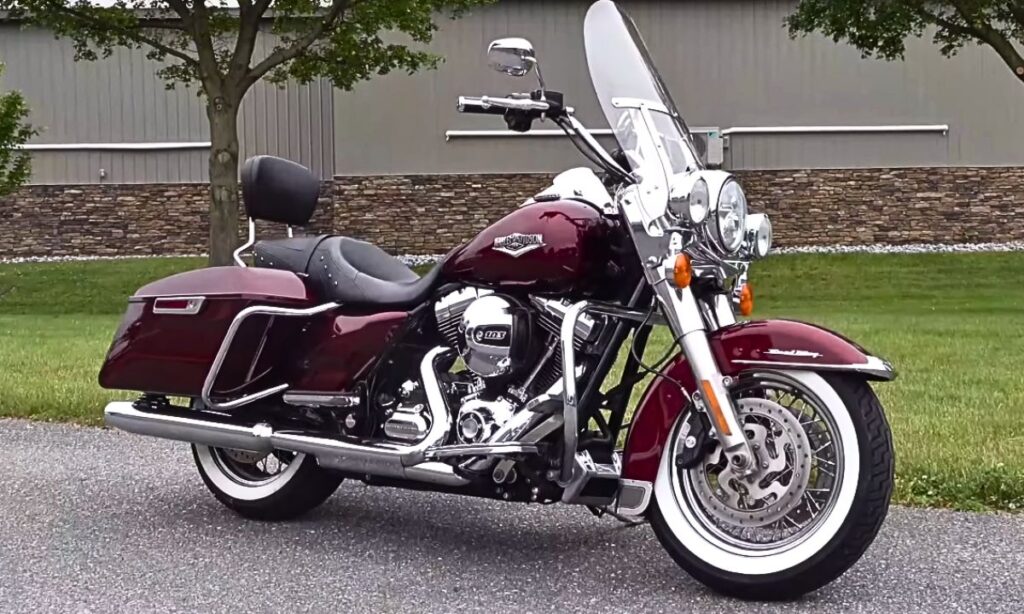
1. Road King 2000
The year 2000 was a particularly problematic period for the Road King. This year’s model was plagued with several significant issues that make it a year to avoid when considering purchasing a used Road King.
One of the most notable problems was the cam chain tensioner. The original parts used in these models were prone to premature wear and tear, leading to catastrophic engine failure in extreme cases.
Furthermore, the 2000 Road King often suffered from subpar electrical systems.
Numerous owners faced recurrent issues related to ignition switch failures and faulty wiring, leading to unreliability and frequent breakdowns.
There were also widespread complaints about the motorcycle’s suspension, which many riders found to be overly stiff, resulting in uncomfortable rides.
Lastly, the build quality of the 2000 model was inconsistent at best.
Many owners reported excessive rusting on several chrome parts and the exhaust system despite regular upkeep.
2. Road King 2003
The model of 2003 has often been dubbed the worst year due to a multitude of issues that surfaced over the years.
Many of the riders noticed significant problems with the cam chain tensioner.
In this model, the tensioner shoes were made of a material that wore out prematurely, resulting in metal flakes dispersing into the oil and causing extensive engine damage.
Another major issue concern was with the fuel system. The 2003 model year carbureted system was notorious for gumming up if the motorcycle was not ridden regularly, leading to poor performance and necessitating expensive repairs.
This model was also known for its faulty wiring harness, which often led to short circuits, affecting the bike’s performance and rider safety.
Lastly, the brake system of the 2003 Road King was a cause for concern. Riders reported poor stopping power and a lack of responsiveness in emergency situations.
3. Road King 2004
The Road King model of 2004 is notorious among motorcycle enthusiasts and is often singled out as a year to avoid.
A principal reason is the defective cam chain tensioner. This component, made of plastic, was prone to rapid wear and tear, which could lead to catastrophic engine failure if left unattended.
The model year also suffered from frequent fuel system issues. The motorcycle’s EFI system was often problematic, leading to poor performance and fuel economy.
There were also instances of brake failure due to issues with the anti-lock brake system (ABS).
These significant shortcomings, combined, made the 2004 Road King a model year to steer clear of when considering a pre-owned Harley-Davidson motorcycle.
4. Road King 2006
A common issue reported by owners is the defective cam chain tensioner, which tends to wear out much earlier than expected, causing potential engine damage.
This problem is particularly noticeable in high-mileage motorcycles, leading to costly repairs if not addressed proactively.
Furthermore, the 2006 model has been plagued with a unique issue related to its fuel system.
The EFI system, which was newly introduced that year, has had numerous reported instances of malfunction, causing significant performance issues and reduced fuel economy.
This particular problem proved to be a major drawback, as the EFI was intended to improve fuel efficiency and overall performance.
Lastly, the brake system of the 2006 Road King was also called into question.
Numerous owners reported excessive wear and tear on the brake pads and rotors, requiring premature replacement.
These, coupled with the issues, made the 2006 model a troublesome year for the Road King.
5. Road King 2014
The 2014 Road King has been notorious in the motorcycle community and is often recommended to avoid. This is primarily due to a cascade of mechanical issues that plagued this model year.
A significant concern was the unreliable hydraulic clutch system, which had a tendency to fail unexpectedly, a potential safety risk.
The faulty clutch required frequent and expensive repairs, which frustrated the owners. The 2014 model year also suffered from problematic fuel systems.
Several owners reported that the motorcycle had issues with the fuel pump, leading to poor engine performance and occasional stalling.
This not only affected the bike’s rideability but also its long-term reliability. Lastly, the stock suspension components on the 2014 Road King were of subpar quality.
Riders frequently complained about a harsh ride, particularly on rough surfaces or long rides.
This resulted in an uncomfortable riding experience and extra costs for those who chose to upgrade the suspension for a smoother ride.
Overall, the 2014 Road King was marred by a series of significant issues that affected its performance, reliability, and overall riding experience.
Best Years For Harley Road King
The Harley Road King is an iconic motorcycle that has seen numerous iterations over the years.
However, enthusiasts often consider the early 2000s to be the best period for this model, particularly the 2002 Road King Classic.
This year saw the introduction of the fuel-injected Twin Cam 88 engine, which significantly improved the bike’s performance and reliability.
So here are the best years for the Harley Road King:
1. Road King 1999
The 1999 model represents a golden year in the model’s history, with specific attributes that endeared it to motorcycle enthusiasts.
This model features an 88 cubic inch displacement (TC-88) Twin Cam engine, revered for its power and reliability.
This engine, with its dual spark plugs per cylinder, provides a smooth, powerful ride, impressing with its performance on city roads and highways.
It also includes the classic large, detachable windshield and hard-shell saddlebags, offering convenience and practicality for long-distance rides.
The 1999 Road King’s design is an elegant fusion of modern technology with a traditional aesthetic, maintaining the iconic look Harley-Davidson is renowned for.
One of the notable features is its design, which isolates vibrations and reduces engine vibrations.
The Road King’s suspension system is also worth noting, providing a plush, responsive ride, absorbing bumps, and offering excellent handling, making the ride enjoyable and less strenuous.
It also boasts a remarkable fuel capacity of 5 gallons and an efficient fuel system, guaranteeing less frequent stops during your journey.
The 1999 Road King’s combination of power, comfort, style, and reliability is unmatched, making it a favorite among Harley-Davidson enthusiasts.
2. Road King 2002
The Road King 2002 model stands out as one of the best years for this classic motorcycle. This model, part of Harley’s FLHR series, is well-regarded for its superior performance.
The 2002 Road King comes equipped with a 1449cc Twin Cam 88 engine, providing a robust power output that you are sure to appreciate.
The engine, combined with a 5-speed transmission, ensures a smooth and powerful ride, living up to the high standards set by Harley-Davidson.
The bike also offers excellent fuel efficiency and a large fuel tank capacity, making it ideal for long journeys.
The 2002 model features a comfortable upright riding seat, wide handlebars, and a sizable windshield, all designed for a comfortable ride even over long distances.
The Road King 2002 has a classic, vintage look like other Harley-Davidson models. It has chrome accents and a traditional headlight design.
This model year is recognized for having fewer mechanical issues compared to other years, increasing its appeal to riders who value durability and low maintenance.
The Harley-Davidson Road King 2002 model, with its powerful performance, comfortable ride, vintage aesthetic, and enhanced reliability, remains one of the best years for this classic motorcycle.
3. Road King 2005
The 2005 Road King is renowned as one of the best years for this classic touring motorcycle due to its superior performance and reliability.
It is equipped with an air-cooled Twin Cam 88 engine that delivers an impressive torque of 86 ft-lb at 3500 rpm, providing you with exceptional power.
Its five-speed transmission is smooth and responsive, ensuring that riders enjoy a thrilling experience in various road conditions.
The 2005 Road King also stands out with its comfortable seating and adjustable rear air-shocks, which give excellent control and comfort during long rides.
Its classic tank-mounted speedometer and dual halogen headlamp add a timeless aesthetic appeal to the bike’s overall design.
One of the most appreciated features by riders is the detachable windshield, allowing for a more adaptable riding experience.
Whether you prefer the feel of the wind on your face or need protection from the elements.
However, the disc brakes on both wheels provide excellent stopping power for enhanced safety.
The 2005 Road King’s specs, combined with its appealing blend of classic and modern design elements, make it the top choice among the Harley lineup for many riders.
4. Road King 2016
The 2016 model is often hailed as one of the best iterations of this iconic motorcycle, known for its perfect blend of classic aesthetics and modern features.
It is powered by a High Output Twin Cam 103 engine, which delivers impressive torque, offering a dynamic and exhilarating riding experience.
The combination of its refined suspension system and air-adjustable rear shocks provides an exceptionally smooth ride, even on rough terrains.
The 2016 Road King is notable for its advanced technology, such as the standard electronic cruise control and the Reflex Linked Brakes with ABS for optimal braking power.
With a big saddlebag, it’s easy to carry what you need, which makes the motorcycle more useful.
The 2016 Road King has a classic design that appeals to traditional Harley enthusiasts, with features like timeless whitewall tires and a chrome headlamp nacelle.
Even though the Road King 2016 includes modern design touches like the smooth, easy-to-use saddlebag locks, it still appeals to many riders’ tastes.
The blend of classic and impressive power and features makes the 2016 Road King a favorite among motorcycle lovers.
Common Problems with Harley Road King
Just like any mechanical device, the Harley Road King can experience some common issues.
Here are some common issues that Harley Road King faces over time:
1. Engine and Motor Issues
One of the common issues with Road King motorcycles revolves around the engine and motor. Riders often report problems associated with overheating, oil leakage, and even complete engine failure.
Overheating may be due to a malfunctioning radiator fan or clogged coolant channels. Regular inspection and cleaning of the cooling system can help mitigate this issue.
Oil leakage, another prevalent problem, often arises from worn-out seals or gaskets. Paying attention to oil spots under the bike while it’s parked can help detect leaks early.
Replacing the faulty seals or gaskets can prevent potential engine damage. Complete engine failure, though less common, can be a critical issue.
It usually results from neglecting minor issues like overheating or oil leaks that escalate over time, leading to severe engine damage.
Regular maintenance, periodic oil changes, and checking for unusual noises or performance changes can avoid such catastrophic failures.
2. Transmission Issues
One of the common issues that Road King riders encounter is related to the transmission.
The transmission is responsible for controlling the power generated by the bike’s engine, so any problems can greatly affect the ride quality.
The riders have often reported transmission noise attributed to bearing failures. This typically manifests as a whining noise while the bike is in operation, particularly at higher speeds.
This is often coupled with difficulty shifting gears, a clear indicator of transmission issues.
Another key issue reported is the transmission fluid leak, which can lead to the transmission overheating. The symptoms can include less smooth gear changes and a burning smell.
Always regularly check the bike for any signs of leakage, particularly around the gasket area, and ensure that you perform regular oil changes to maintain the transmission’s health.
The transmission clutch can also cause problems, specifically the clutch not fully disengaging.
This often leads to the motorcycle stalling when it’s put into gear. The clutch cable adjustment, clutch shell bearing, or clutch hub could be at fault in these cases.
3. Faulty Fuel System
One common issue that Harley Road King owners encounter is a faulty fuel system.
This problem may manifest in several ways, such as poor engine performance, difficulty starting the motorcycle, or even stalling while in operation.
The Road King’s fuel system consists of several key components, including the fuel tank, fuel pump, fuel filter, and fuel injectors.
A problem in any of these areas can lead to a compromised fuel system.
A clogged fuel filter can restrict fuel flow, affecting engine performance. In this case, replacing the fuel filter is usually the solution.
If the issue lies with the fuel pump, the motorcycle may have trouble starting or might stall during operation. Solving this problem might require replacing the fuel pump.
When you’re dealing with fuel injectors, the build-up of deposits can cause them to function less effectively, often leading to poor fuel economy and engine performance.
A professional fuel injector cleaning can often resolve this issue.
Tonmoy, the brains behind the influential motorcycle-focused website, TwoWheller.com, is a dedicated and passionate advocate for biking culture. Born and raised in a family of motorcycle enthusiasts, his love for two-wheeled transportation was ignited at an early age. His commitment to providing in-depth reviews and helpful tips for riders has established him as a respected figure in the motorcycle community.
Every year, they make a certain number of motorcycles, and looking at these numbers can tell us a lot about how the company has changed over time.
Let’s dive into the yearly production figures of Harley Davidson and see what patterns we can find in their production timeline.
Harley Davidson Overview
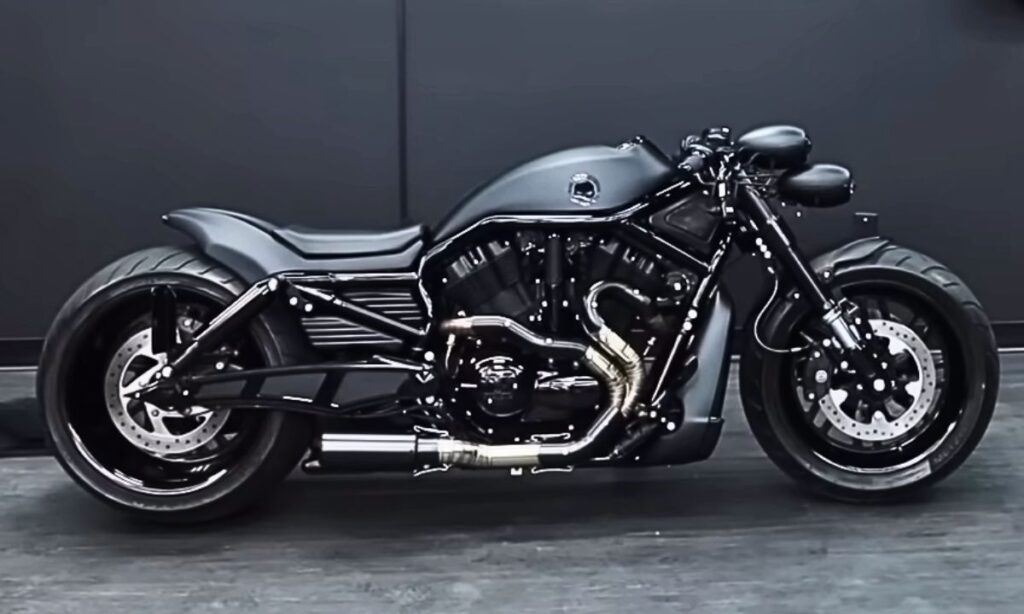
Harley-Davidson is a renowned American motorcycle company. It was created in 1903 in Milwaukee, Wisconsin.
The company has a rich history and is famous for its iconic heavyweight motorcycles designed for cruising on highways.
Harley-Davidson motorcycles are recognized for their distinctive design and exhaust notes. Over the years, they have gained a loyal following worldwide.
Despite facing competition, Harley-Davidson remains a dominant force in the motorcycle industry.
Harley Davidson Production Numbers By Year
Harley-Davidson, a renowned motorcycle manufacturer, has experienced significant fluctuations in production numbers over the years.
Here are the complete production numbers by year of Harley Davidson:
1. Initial Phase: 1903-1920
The initial phase of Harley Davidson from 1903 to 1920 marked its establishment and early growth.
In 1903, the first Harley Davidson motorcycle was produced in a small wooden shed, with the production number limited to just one.
By 1905, they had increased their production to eight motorcycles. The growth was rapid, and by 1920.
Harley Davidson had become the largest motorcycle manufacturer in the world, with dealers in 67 countries and a production of over 28,000 motorcycles.
This period of production was characterized by the introduction of their trademark V-twin engine, which became a defining feature of the Harley-Davidson brand.
2. Era of Economic Hardship: 1930
The 1930s were marked by significant economic hardship for Harley Davidson, coinciding with the Great Depression.
When economic problems hit the whole world, it was tough for the motorcycle business.
Harley Davidson sold fewer motorcycles because of this. Even though it was a hard time, Harley Davidson kept going, making new and better products.
The company’s production numbers reflected this downturn, with fewer motorcycles being manufactured compared to the relatively prosperous 1920s.
Despite these challenges, Harley Davidson managed to persist, focusing on innovation and product development to stay afloat during these hard times.
3. Conflict Period: 1940
During the conflict period of 1940, Harley Davidson’s production saw a drastic shift as the company became an important asset for the war effort.
With World War II underway, Harley Davidson focused its manufacturing power on supporting the Allied forces.
The wartime production led to the creation of the military-specific model, the WLA.
Despite the turmoil and uncertainty of the period, Harley-Davidson managed to produce a significant number of motorcycles, demonstrating a strong commitment to the war effort while underlining its robust manufacturing capabilities.
4. Post-Conflict Growth: 1950-1970
During the years following the conflict from 1950 to 1970, Harley-Davidson experienced significant growth in production numbers. This was because of national and international demand.
Motorcycles became more popular during this time, and Harley was at the forefront due to their good reputation and quality machines.
The company also introduced new models and made advancements in technology.
However, there was tough competition, especially from Japanese manufacturers. This pushed Harley-Davidson to adapt and improve continuously.
This period of growth helped Harley-Davidson position itself as a leading player in the global motorcycle industry.
5. Period of Advancement: 1980-1990
The decade from 1980 to 1990 was a period of significant advancement for Harley-Davidson.
During these years, the company introduced several groundbreaking models and made substantial improvements in the manufacturing process.
In 1984, Harley-Davidson regained its independence from AMF, leading to a renewed focus on quality control and customer satisfaction.
The company also pioneered the Softail design in this decade, which became immensely popular due to its classic hardtail look combined with modern comfort and handling.
This period saw a consistent rise in production numbers, reflecting the growing demand and popularity of Harley-Davidson motorcycles.
6. 21st Century Beginnings: 2000
As we entered the 21st century in 2000, Harley Davidson started off on a strong note. This was a period of significant growth and expansion for the company.
Notably, there was an impressive rise in the production numbers as the demand for motorcycles surged globally.
The iconic brand continued to enhance its reputation by consistently delivering high-quality, powerful bikes.
7. Modern Era and Future Outlook
While entering the Modern Era, Harley-Davidson witnessed significant changes in its production numbers.
Technological advancements improved the manufacturing process, resulting in increased efficiency and higher output.
The integration of advanced features in their motorcycles also attracted a wider consumer base, further boosting production numbers.
Looking ahead, Harley-Davidson’s future outlook is intriguing. With increasing interest in sustainable transportation methods, the company is expected to focus on the development and production of electric motorcycles.
These initiatives, coupled with their reputation for high-quality, iconic machines, put Harley-Davidson in a strong position for future growth.
Why Do Production Numbers Matter?
Production numbers matter significantly, especially for manufacturers like Harley-Davidson.
Primarily, they give a clear image of the company’s performance, indicating how well the products are received in the market.
Higher production numbers often signify strong demand, leading to greater profits. Conversely, lower numbers might suggest a need for product innovation or marketing strategies.
However, these figures help in planning for future production, managing resources, and forecasting market trends.
For Harleys, the numbers also track the popularity of specific models, influencing their collectability and resale value.
How much Harley Davidson sells?
Harley Davidson, an iconic American motorcycle brand, has had fluctuating sales over the years. According to their 2020 annual report, they shipped approximately 180,248 motorcycles globally.
Which is a decrease from their previous years due to various factors, including the global pandemic.
Factors That Influence The Production Numbers
Several factors influence the production numbers in any operation. Firstly, supply and demand play a large role.
If demand for a product increases, production usually increases to meet it.
Secondly, the availability of raw materials can significantly affect production numbers. If there’s a shortage of raw materials, production may decrease.
Thirdly, labour availability and skills are also crucial. Skilled labour can increase production efficiency and numbers, while labour shortage can lead to a decrease.
Lastly, technological advancements can boost production numbers by automating processes and increasing efficiency.
Tonmoy, the brains behind the influential motorcycle-focused website, TwoWheller.com, is a dedicated and passionate advocate for biking culture. Born and raised in a family of motorcycle enthusiasts, his love for two-wheeled transportation was ignited at an early age. His commitment to providing in-depth reviews and helpful tips for riders has established him as a respected figure in the motorcycle community.
It was introduced in 2015; the Freewheeler has since undergone numerous iterations, each with its unique characteristics.
However, which model year stands as the “best” is a subject of much debate among enthusiasts.
In this article, we will dive into the best years for the Harley Freewheeler so you can buy the best Freewheeler.
Best Year For Harley Freewheeler
The Harley Freewheeler, a revered trike in the Harley-Davidson lineup, has seen various iterations over the years.
While each year brought its unique features and improvements, many enthusiasts consider the 2015 model to be the best Year for Harley Freewheeler.
The 2015 Freewheeler introduced numerous design updates and performance enhancements, striking a perfect balance between power, comfort, and style.
The 2018 and 2019 free-wheeler road glide 3 and tri-glide Ultra are also considered the best years for Harley free-wheeler.
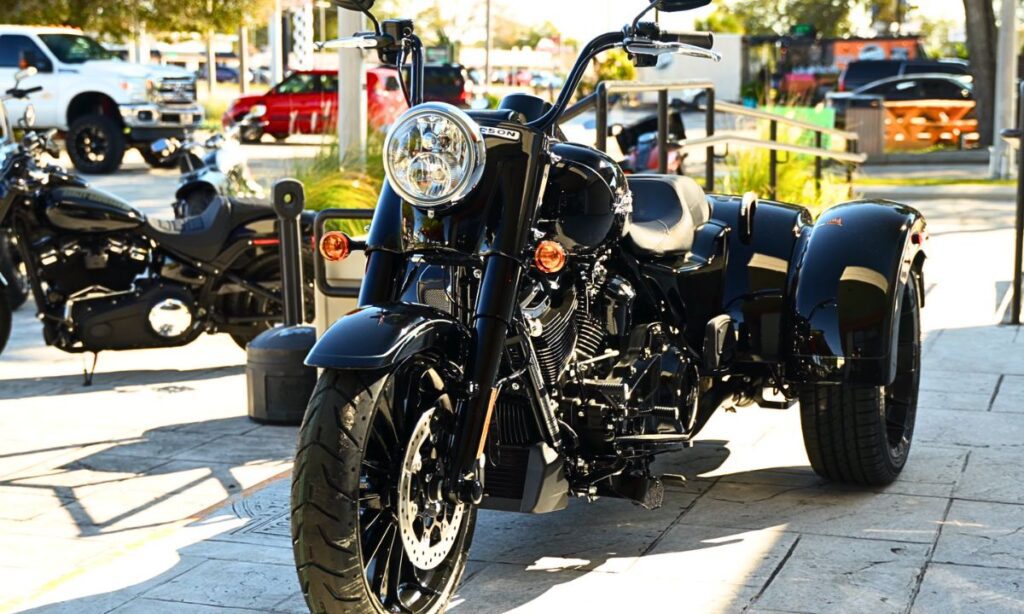
1. 2015 Freewheeler
The 2015 Freewheeler is often hailed as the best-year model due to its various features and specifications.
The key to its value lies in its design, performance, and reliability. This model adopted a classic bobtail style with a distinctive trunk box, making it a standout in terms of aesthetics and practicality.
It is powered by a High Output Twin Cam 103 engine; the 2015 Freewheeler delivered an impressive torque of 104.7 Nm at 3250 rpm.
Such power offered you a smooth and thrilling ride, making it a favorite among enthusiasts.
One of the unique features of this model was its electronic throttle control, which provided more responsiveness to the rider’s input.
The 2015 model also boasted a six-speed Cruise Drive transmission, which provided smooth and quiet shifting, while the electric reverse motor gave you ease in parking and maneuvering.
The model was equipped with full-length rider footboards and a two-up seat that ensured a comfortable and relaxed ride, even on longer journeys.
It also has a fuel capacity of 6 gallons, a dry weight of 1045 lbs, and a wheelbase of 65.7 inches.
Its black Dunlop Harley-Davidson Series tires and 12-inch mini-ape hanger handlebars make the motorcycle look even more stylish.
These features also make the bike easier to handle and more comfortable to ride.
Its blend of power, performance, style, and comfort make it an outstanding model, and its unmatched reliability added to its value in the eyes of casual riders and collectible enthusiasts.
Its rich features and specifications have truly made the 2015 model a year to remember in the history of the Harley-Davidson Freewheeler.
2. 2018 Freewheeler
The 2018 model is considered by many enthusiasts to be the best year for this model, primarily due to its perfect blend of power, style, and comfort.
The 2018 model is powered by a Milwaukee-Eight 107 engine, offering an impressive torque of 152 Nm at 3250 rpm.
This potent engine, coupled with a 6-speed Cruise Drive transmission, assures a smooth and powerful ride.
With chrome, steel, and black finishes and an array of eye-catching colors make it a strong visual statement on the roads.
The seat of the bike is designed to be stylish and sits close to the ground, adding to the overall sleek look. It also makes riding comfortable.
It also boasts technology and features to enhance the riding experience. The electronic cruise control, keyless ignition, and an intuitive hand control panel make for a convenient ride.
The model also features a spacious cargo hold and a security system as standard, adding value and practicality to the package.
In terms of suspension, the Harley model features high-performance front suspension and easily adjustable rear suspension, ensuring a smooth ride.
Its linked Brembo brakes with standard ABS offer high-performance stopping power, which adds to the safety and control of the ride.
3. 2019 Freewheeler
This particular model is valued for its perfect blend of power, performance, and style that Harley-Davidson is known for.
The 2019 Freewheeler is fitted with a Milwaukee-Eight 114 engine, a powerhouse that delivers a torque of 119 lb-ft.
This robust engine ensures smooth, powerful rides and excellent responsiveness, which is particularly noticeable in higher gears.
It boasts a 6-speed Cruise Drive transmission, offering you an optimal balance of power and comfort on long rides.
The Freewheeler is also renowned for its stripped-down, hot rod style. It features bobtail rear fenders and a raked-out front end that gives it a distinct, aggressive appearance.
With its custom details like the Tommy Gun 2-1-2 exhaust and a 7-piece nacelle, the 2019 Freewheeler looks as good as it rides.
It offers a plush, two-up seating with a full passenger backrest. It also comes with an easy-to-reach, handlebar-mounted cruise control and electric reverse.
In terms of safety features, the 2019 Freewheeler is equipped with an intelligent ABS and traction control system.
It combines power, performance, style, comfort, and safety, making it a worthwhile investment for any trike enthusiast.
4. Tri Glide Ultra
The Harley Tri Glide Ultra is often considered one of the best years due to its superior performance, robust specifications, and unique features that set it apart.
It was introduced in 2014; the Tri Glide Ultra came equipped with a Twin-Cooled Milwaukee-Eight® 114 engine, delivering powerful, smooth, and reliable performance.
What truly makes the Tri Glide Ultra valuable is its unprecedented level of comfort and convenience.
It boasts a sophisticated infotainment system with a four-speaker, 25-watt per channel amplifier, and a full-color touchscreen display.
This, paired with plush, two-up seating, spacious cargo space, a high-performing front and rear suspension, and an electric reverse, makes it a top choice for riders seeking a luxury trike.
Moreover, its iconic Batwing fairing design reduces head buffeting, while the Daymaker LED headlamp and LED fog lamps boost visibility in low-light conditions.
The Tri Glide Ultra also features an intuitive hand control and a hydraulic clutch that enhances its rideability.
With a fuel capacity of 6 gallons and a dry weight of 1,204 lbs, this trike is made for long journeys, reinforcing its reputation as a standout within the Harley Freewheeler range.
5. Road Glide 3
The 2013 Road Glide Custom (FLTRX) stood out from its peers in the market due to its unique blend of raw power and classic style.
This model was equipped with a Twin Cam 103 engine, a feature that gave it an edge in terms of performance. This engine delivered a torque of 100 ft-lb 3250 rpm, ensuring an exhilarating ride.
It was also praised for its aesthetics. It maintained the traditional Harley look, characterized by a sharp nose fairing and dual headlights, which turn with the frame rather than the handlebars.
This design feature improved the bike’s handling, making it more valuable to riders who prioritize control and stability.
It was also packed with a high-output accessory connector, cruise control, and a security system.
The bike’s comfort was also unmatched, with a two-up seat backlit hand control and dash switches, giving it a premium feel.
Its remarkable blend of performance, style, and comfort makes it highly valuable to riders and collectors.
Tonmoy, the brains behind the influential motorcycle-focused website, TwoWheller.com, is a dedicated and passionate advocate for biking culture. Born and raised in a family of motorcycle enthusiasts, his love for two-wheeled transportation was ignited at an early age. His commitment to providing in-depth reviews and helpful tips for riders has established him as a respected figure in the motorcycle community.
In this review, we’ll take a closer look at the most impressive and disappointing years for the Street Glide.
From design innovations to unfortunate mechanical hiccups, we’ll explore the journey of this beloved street-cruising motorcycle.
Best And Worst Year For Street Glide
The Street Glide is known for its iconic design and exceptional performance, and its evolution has been a remarkable journey.
The Harley-Davidson Street Glide has had various iterations over the years, some emerging as fan favourites and others not quite hitting the mark.
The best year for the Street Glide is often considered the 1984, 2003, 2004 and 2019,2020 years that Harley-Davidson introduced in its lineup.
On the other hand, the 2009, 2013, and 2015 models are frequently cited as a challenging year, with common issues related to the engine and electrical system.

Best Years For Street Glide
The Street Glide has been a favourite among motorcycle enthusiasts since its introduction in 2006. However, some of them stand out as the best year for the street glide.
Here are the best years for the street glide:
1. 1984 Street Glide
The 1984 model year is a remarkable model in motorcycle history, often considered a flagship year for Harley.
The bike was equipped with a robust 1340cc V-twin engine, producing a hearty 67 horsepower.
This gave the ’84 Street Glide an exceptional balance of power and performance, satisfying riders who craved speed and stability. The model was also noted for its advanced technology for the time.
It introduced the Softail design, which hid the shocks under the transmission, giving it a classic hardtail look while still providing the comfort of modern suspension.
The ’84 Street Glide was also equipped with an advanced self-adjusting clutch, providing smoother gear transitions and significantly reducing the need for maintenance.
One of the main reasons the 1984 Street Glide is considered the best year is due to its perfect blend of modern technology and classic Harley-Davidson style.
Due to its powerful performance, the ’84 model maintained the iconic aesthetics that Harley enthusiasts admire, such as the distinctive teardrop fuel tank and the bold.
Riders often mention the ’84 Street Glide’s comfort and reliability when discussing its advantages.
Its ergonomic design, coupled with cutting-edge suspension technology, provided a smooth and comfortable ride, even on long journeys.
This mix of comfort, power, and style truly satisfies riders, solidifying the 1984 Street Glide’s status as an iconic model in motorcycle history.
2. 2003 Street Glide
The 2003 model is widely regarded as one of the most impressive motorcycles of its time due to its unique blend of advanced features and classic Harley styling.
It is equipped with a powerful, fuel-injected Twin Cam 88 engine, delivering impressive horsepower and torque.
The bike boasted chrome, staggered shorty dual exhausts, contributing to its distinct aesthetic and throaty sound.
The 2003 Street Glide was one of the first to feature Harley’s advanced audio system, providing clear sound even at highway speeds.
Its paired with the comfort of a plush, two-up seat and the convenience of hard-shell saddlebags made this bike an exceptional choice for short rides and long touring.
Its seamless blend of power, comfort, and technology allowed riders to fully enjoy their journey, whether they were cruising through city streets or exploring the open road.
3. 2004 Street Glide
The 2004 Street Glide is often hailed as one of the best years for this iconic motorcycle model.
It is equipped with a powerful Twin Cam 88 engine, offering an unparalleled combination of power and performance.
The engine delivered a peak torque of 86 ft-lb at 3500 rpm, ensuring smooth, effortless rides even at high speeds.
The motorcycle also featured the standard five-speed transmission, providing a seamless riding experience.
From a technology standpoint, the 2004 Street Glide was a trendsetter.
It came equipped with a state-of-the-art AM/FM/CD/MP3 Advanced Audio System by Harman-Kardon, enhancing the riding experience with premium sound quality.
It also boasted an electronic Sequential Port Fuel Injection (ESPFI) system, which not only made the bike more fuel-efficient but also significantly improved its throttle response.
The 2004 Street Glide was not just about its specifications and technology; it was the bike’s ability to offer a truly satisfying ride that made it popular among riders.
Its relaxed riding position, combined with a well-balanced frame, ensured great handling and long-distance comfort.
This year’s model brought a new era of personalized design. It had a modern, aggressive look that reminded people of the classic Harley-Davidson style.
4. 2008 Street Glide
It came fitted with an air-cooled Twin Cam 96 engine, which delivered 1584cc displacement and a torque of 92.6 ft-lbs at 3500 RPM, providing ample power for any cruising adventure.
The motorcycle featured Brembo brakes and a six-speed Cruise Drive transmission, enhancing safety and riding comfort.
However, the most notable technology of the 2008 Street Glide was the introduction of Harley’s ESPFI system, offering superior manageability, fuel efficiency, and performance.
The bike also boasted a sleek, aerodynamic Batwing fairing coupled with a streamlined console, giving it a distinctive look that appealed to riders worldwide.
The 2008 Street Glide is considered the best year due to its perfect blend of classic aesthetics and cutting-edge technology.
Moreover, it came with a balanced suspension and a comfortable, low-profile seat, ensuring long-distance riding comfort.
5. 2010 Street Glide
The 2010 model year is widely regarded as one of the best years for the model due to its superior performance, technology, and rider satisfaction.
It is equipped with a 1584cc Twin Cam 96 engine and boasts a torque of 92.6 ft-lb at 3500 rpm, providing powerful and smooth rides.
The 2010 model also introduced the innovative Harman/Kardon Advanced Audio System for an enhanced music experience during journeys.
It featured cruise control as standard, offering a comfortable and relaxed ride, especially during long-distance travels.
This model year is celebrated for the introduction of the sleek frame-mounted fairing, which significantly improved aerodynamics and gave the bike its iconic look.
Its lowered suspension is the standout feature of it, leading to a lower seat height, making it more accessible and comfortable for a diverse range of riders.
It’s not just the specs and technologies that make it the best year but also the exceptional balance of comfort and performance that it provides.
6. 2014 Street Glide
The 2014 Street Glide is highly regarded among motorcycle enthusiasts for its impressive specifications and innovative technologies.
This year’s model came equipped with a High Output Twin Cam 103 engine, offering robust performance and remarkable reliability.
It had a 6-speed Cruise Drive transmission for smooth gear shifting, resulting in a more comfortable and enjoyable ride.
The 2014 Street Glide was the first to feature the then-newly launched Project Rushmore technology.
This technology was all about enhancing the riding experience through improvements in power, braking, ergonomics, and style.
It also features the Reflex Linked Brakes with ABS and the Boom! Box 4.3 Audio System, which added safety and entertainment respectively.
The motorcycle’s sleek design, coupled with its unparalleled performance, made it one of the best years for the Street Glide.
The balance of power and comfort provided by the 2014 model created a satisfying riding experience, cementing its position as a favourite among Harley-Davidson enthusiasts.
7. 2019 Street Glide
It’s often celebrated as one of the best years due to its harmonious blend of style, comfort, and performance.
This model is powered by the Milwaukee-Eight 107 engine, offering a displacement of 1,746cc that delivers 111ft-lb of peak torque.
One of the main attractions of the 2019 Street Glide is its premium suspension that provides outstanding comfort, even on longer rides.
The emulsion-technology rear shock absorbers with 15 to 30% preload adjustment and the front suspension featuring dual bending valve technology ensure a balanced and comfortable ride.
However, it comes with a BOOM! Box 4.3 infotainment system offers extraordinary sound quality and easy-to-use features.
Its refined, batwing fairing design reduces head buffeting while the stretched saddlebags provide extra storage space, adding to its touring capabilities.
The 2019 Street Glide, with its superior design and advanced features, truly represents a high point in the evolution of touring motorcycles.
8. 2020 Street Glide
The 2020 Street Glide stands out as one of the best years due to its incredible blend of classic styling and modern technology.
This model features a powerful Milwaukee-Eight 107 V-Twin engine that renders a smooth, responsive ride.
Its added advantage is its updated suspension system, which offers improved handling and comfort, making the bike suitable for city streets and long hauls.
One of the unique characteristics of the 2020 Street Glide is its Reflex Defensive Rider Systems (RDRS).
It’s a new collection of technology designed to match motorcycle performance to available traction during acceleration, deceleration, and braking.
Moreover, it features a 6.5-inch full-color touchscreen display with GPS and Bluetooth capabilities, ensuring that your ride is as entertaining.
All these features and capabilities, combined with the traditional “batwing” fairing and sleek, streamlined profile, make the 2020 Street Glide not just a motorcycle but a true riding
Experience.
Worst Years For Street Glide
The Harley Street Glide is a widely celebrated model, admired for its styling, performance, and comfort.
However, like any other machine, it has had its share of its worst years.
Here are the worst and the years to avoid of the street glide:
1. 2009 Street Glide
In 2009 model year seemingly hit a rough patch in its production history. Largely regarded as one of the worst years for this model, it was plagued with numerous issues.
A significant problem was linked to the new anti-lock braking system; many riders reported a lack of responsiveness, leading to safety concerns.
Simultaneously, engine heat issues were prevalent, with riders complaining about the Twin Cam 96 engine running excessively hot, causing discomfort and potential damage to the motorcycle itself.
The bike had a notorious issue with its six-speed Cruise Drive transmission, causing shaky and inconsistent shifts.
Lastly, the ’09 Street Glide was criticized for its poor build quality, with riders often complaining about the premature wear and tear of components.
These issues collectively contributed to the 2009 model year being a low point in the Street Glide’s history.
2. 2013 Street Glide
The 2013 model is often cited as one of the less reliable years due to numerous issues that became apparent post-purchase.
Several owners reported problems with the anti-lock braking system (ABS), with the brakes occasionally failing unexpectedly, leading to dangerous situations.
There were also complaints of the bike overheating and causing discomfort for riders.
The problem is attributed to the Twin-Cooled High Output Twin Cam 103 engine in these models.
Riders also pointed out that this model had a less-than-stellar electrical system, with issues ranging from faulty cruise control to malfunctions.
This year’s model also faced criticisms for its relatively uncomfortable stock seat and reported issues with the hydraulic clutch system.
3. 2015 Street Glide
The primary complaints about the 2015 model centred around the poor design of the clutch master cylinder, which led to a struggle to disengage the clutch.
Many owners reported that the clutch would not fully release, even when the lever was pulled all the way back.
This flaw made the motorcycle difficult to control, especially in stop-and-go traffic. The bike’s infotainment system was another sticking point.
The system regularly froze or rebooted while the bike was in motion, causing riders to lose access to GPS and other important features.
This combination of mechanical and technological failures made the 2015 Street Glide one of the worst years for this model.
4. 2016 Street Glide
The 2016 Street Glide has often been pointed out as a particularly troublesome model year for this popular line of motorcycles.
The most glaring issue lies in the engine area; a widespread problem was reported with the engine’s cooling system.
Many users reported unusually high operating temperatures, leading to engine overheating issues and, in extreme cases, causing engine damage.
A related problem was the engine’s propensity to leak oil, a situation worsened by the heat issue.
The model was plagued by issues with its clutch system. Riders reported that the clutch would often not fully disengage, even when the clutch lever was fully depressed.
This issue created a potentially dangerous situation, as it could lead to the bike moving unpredictably, especially at low speeds.
Owners also complained about the harsh ride, with the suspension failing to absorb road imperfections adequately, resulting in a bumpy, uncomfortable ride.
5. 2017 Street Glide
The 2017 Street Glide has unfortunately earned a reputation as one of the worst years for this model due to several prevalent issues.
One of the significant concerns with the 2017 model was the infamous “Death Wobble”, a dangerous instability during high-speed riding.
This issue was primarily due to deficiencies in the frame and suspension system, making the bike difficult to control at high speeds.
The 2017 Street Glide also suffered from overheating problems.
The Twin-Cooled Milwaukee-Eight 107 engine, despite being an impressive powerhouse, often overheated in slow traffic, leading to potential engine damage.
The Infotainment system in the 2017 model also had its share of problems.
Consumers reported frequent malfunctions, including issues with GPS, radio, and Bluetooth connectivity, leading to frustration and negative user experience.
Lastly, the 2017 Street Glide model had a higher-than-average rate of clutch failures. These failures not only resulted in costly repairs but also posed a safety risk for riders.
These combined issues led to a significant decrease in rider satisfaction, making 2017 a challenging year for the Street Glide.
6. 2018 Street Glide
The 2018 Street Glide has often been earmarked as a problematic model that faced numerous issues.
One of the major problems that riders encountered was with the bike’s infotainment system, which frequently malfunctioned, leading to a frustrating experience.
Moreover, there were instances of the Street Glide’s engine stalling, which raised concerns about its reliability.
To compound these issues, riders also reported experiencing excessive heat from the engine, making long summer rides uncomfortably warm.
The culmination of these issues led to the 2018 Street Glide model being considered one of the worst years for the Street Glide series.
Tonmoy, the brains behind the influential motorcycle-focused website, TwoWheller.com, is a dedicated and passionate advocate for biking culture. Born and raised in a family of motorcycle enthusiasts, his love for two-wheeled transportation was ignited at an early age. His commitment to providing in-depth reviews and helpful tips for riders has established him as a respected figure in the motorcycle community.
However, like any long-standing product line, there have been years where the Electra Glide has not lived up to its stellar reputation.
In this article, we will discuss the Electra Glide years that potential buyers should be aware of.
Electra Glide Years To Avoid
The Harley-Davidson Electra Glide is a popular motorcycle model known for its power, performance, and riding comfort it offers.
However, like any other vehicle, certain model years have been plagued by issues that potential buyers should be aware of.
Notably, the years 1999, 2005, 2007, 2009, 2010, 2012, 2014, 2015, and 2017 are considered the years to avoid for Electra Glide.
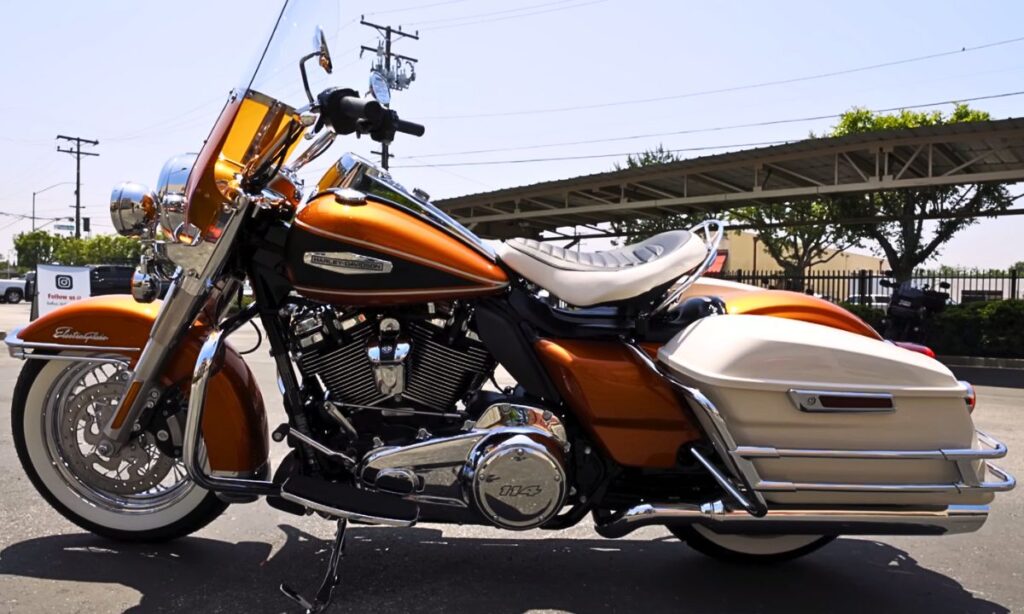
1. Electra Glide Model 1999
The 1999 model is known for a handful of recurring issues, which make that year’s model an avoid that potential buyers and owners should be aware of.
Here are some of the issues that 1999 Electra Glide has faced over time:
Voltage Regulator Issue
This model often faces issues with the voltage regulator. A failing regulator causes inconsistent power delivery or battery drain.
Regular checks and preventive maintenance can mitigate this issue to a certain extent.
Cam Chain Tensioner
Another common issue with the 1999 Electra Glide model is with the cam chain tensioner.
Wear and tear lead to a failing tensioner, potentially causing engine damage.
Starter Problems
Starter issues are also prevalent in this model, often due to the longevity of the starter motor.
It causes difficulties in starting the bike, requiring the replacement of the starter motor.
Oil Leakages
Oil leakage is another problem many owners face. These leaks are often due to aged seals, gaskets, and O-rings, which should be replaced promptly to prevent further engine damage.
Brakes Issue
The 1999 Electra Glide has been known to experience brake issues, specifically with the anti-lock braking system (ABS).
Regularly servicing the brakes can help to maintain their effectiveness.
Overheating
Overheating is a serious issue for any motorcycle owner. The Electra Glide model is known for issues with the cooling system that may lead to overheating.
Regular checks of the coolant level and the cooling system, in general, should be part of routine maintenance.
If you’re considering buying a 1999 Electra Glide, then you may avoid that year’s model due to these issues.
2. Electra Glide Model 2005
The 2005 model, while widely adored for its classic design and comfortable ride, has been known to present several significant issues that make this year’s model avoided.
One of the recurrent problems is the cam chain tensioner issue, which can lead to serious engine damage if left unchecked.
This model also suffers from oil leakages, often due to faulty seals, leading to messy clean-ups and potential engine overheating.
The Electra Glide 2005 has reported instances of voltage regulator failure, a critical concern as it can lead to battery drain, thereby affecting the overall performance of the motorcycle.
Moreover, wiring issues are not uncommon with this particular model.
They result in dim lights, non-responsive switches, or even complete electrical failure, proving inconvenient at best and dangerous at worst.
Another noteworthy issue is the transmission problems, which often manifest as difficulty in changing gears or excessive noise during gear shifts.
Lastly, starting problems have also been reported, which could be due to a weak battery, defective starter motor, or electrical issues.
These collective issues, while fixable, can lead to substantial repair costs and time off the road.
3. Electra Glide Model 2007
The 2007 Electra Glide has several notable issues. The compensator issue, a common drawback, relates to the prematurely wearing out of the Compensator, causing noisy starts and operation.
Second, vibration issues are prominent in this model. Excessive and persistent vibration leads to discomfort during the ride, even mechanical problems.
Oil consumption is another significant concern. The 2007 Electra Glide tends to consume oil at an alarming rate, leading to frequent top-ups and potential engine damage if left unchecked.
The engine tends to overheat, especially during long trips or in hot climates, causing discomfort to the rider and potential damage to the engine.
Finally, the 2007 Electra Glide is notorious for its electrical issues. These range from faulty lights to problems with the ignition system, often necessitating extensive and costly repairs.
Thus, despite its appeal, the 2007 model of the Electra Glide may present potential owners with numerous challenges.
4. 2009 Electra Glide
The 2009 model had a significant issue with its Cam Chain Tensioner. This defect primarily led to premature wear and tear, often resulting in catastrophic engine damage if not addressed promptly.
The problem stemmed from the inadequate design and material usage of the tensioner, which could not withstand the rigors of long-term use.
Another problem reported by 2009 Electra Glide owners was with the Anti-lock Braking System (ABS).
Numerous riders experienced unexpected failures in the ABS, leading to potential safety concerns.
The malfunctioning was most evident when the system failed to engage during emergencies, thus compromising the braking capabilities of the motorcycle.
Harley-Davidson issued a recall to address this issue, acknowledging the serious risk it posed to rider safety.
5. 2010 Electra Glide
The 2010 Electra Glide model was widely applauded, but it did come with a few notable issues that consumers should be aware of.
Firstly, the optional Anti-Lock Brakes (ABS) were reported to have problems that lead to unexpected brake failure, a severe safety concern.
This issue was eventually addressed by the manufacturer through a recall, but some units may still exhibit this problem if the recall wasn’t implemented.
Secondly, the Wheel Sensor Wire issue was another concern. This problem caused the ABS and traction control lights to illuminate unexpectedly, reducing the vehicle’s braking system.
The fault was traced back to the wheel sensor wires that can become damaged with use, leading to false readings.
Also, some owners reported that the throttle body connector loosened over time, affecting the motorcycle’s performance and potentially leading to engine stalls.
In some cases, this resulted in a dangerous loss of power while riding.
This issue also was addressed by the manufacturer under warranty but is something potential buyers should be aware of.
6. Electra Glide Model 2012
Harley Electra Glide 2012 has been subjected to several complaints over the years, some specific issues are metioned here.
One of the most commonly reported issues is the Compensator. The traditional spring pack in the compensator assembly tends to wear out and fail, leading to a loud clunking sound when starting the bike.
To fix the issue, it’s advisable to replace the spring pack with a solid sprocket to prevent such issues.
The ABS brake module is another area of concern. Some riders have reported failures in the ABS system, leading to sudden braking or lack of brake power.
Overheating is a known issue with the 2012 Electra Glide, often due to the positioning of the rear cylinder under the seat, which doesn’t allow for effective heat dissipation.
Modifying the exhaust system or adding a cooling fan can help mitigate this issue.
Oil Pump Issues have also been reported, where the oil pump fails to deliver proper oil pressure, leading to engine damage.
The model also has reported Clutch Issues, where the clutch does not disengage properly, making gear shifts difficult. Regular clutch maintenance and adjustment can help avoid such problems.
Vibration Issues are common with Electra Glide 2012, especially at higher speeds, causing discomfort to the rider.
Balancing the tires and ensuring proper alignment can help reduce such vibrations.
Lastly, the 2012 model has also had some Glitches, including issues with the electronic control module, causing the engine to stall or misfire.
7. 2014 Electra Glide
The 2014 Electra Glide has had some reported issues that buyers should be aware of. Fuel tank leaks are the issue that is reported by most of the owners. It was due to the deterioration of the tank seal.
This issue can be identified by a strong smell of gasoline emanating from the bike, even when it was not recently fueled.
If left unchecked, this can pose a substantial safety hazard. To fix this issue, the fuel tank seal must be replaced to prevent further leakage.
This repair is best done by a certified technician to ensure the motorcycle’s safe operation post-repair.
Another concern it faced is the clutch problems, which are often characterized by the clutch refusing to fully engage or disengage.
This problem makes gear shifting difficult and unpredictable, potentially leading to dangerous situations, especially at high speeds.
This issue is usually a result of a faulty clutch master cylinder. The resolution typically involves replacing the malfunctioning clutch master cylinder with a new one.
8. Electra Glide Model 2015
Firstly, the infotainment system has been known to glitch or freeze, often requiring a system reboot to restore functionality.
However, riders have reported excessive vibration during rides, which could be due to various factors such as unbalanced tires or a misaligned drive belt.
There have also been complaints about the clutch, that it’s hard to engage or disengage. This makes the riding experience less smooth and could potentially pose safety risks.
The model has had braking issues, too, with some owners reporting that the brakes are not as responsive as they should be, which leads to longer stopping.
It also has faced battery issues, with some riders reporting that the battery drains faster than expected.
Specifically, some owners have found that their bike’s battery life decreases significantly after just a few short trips.
Furthermore, heat issues have been reported, with some riders complaining about excessive heat coming from the engine, especially during long rides or in hot weather.
Lastly, there are also some complaints of transmission problems. Some riders have reported difficulty in shifting gears, while others have reported a noisy transmission.
These issues could lead to a less enjoyable riding experience and may require costly repairs.
9. 2017 Electra Glide
The bike’s design, while visually appealing, does not offer optimal comfort, especially during long-distance travel.
Users have reported an uncomfortable seat and an awkward riding position, which lead to discomfort in the back and shoulders.
Performance-wise, the 2017 Electra Glide has had a few hiccups as well. It is equipped with the all-new Milwaukee-Eight motor, which has faced criticism for heat management.
Riders often complain of excessive heat from the engine, especially when stuck in traffic or riding at slow speeds in hot weather.
This causes discomfort and distraction, detracting from the overall riding experience.
However, some owners have reported transmission issues, specifically with the bike slipping out of gear. This can be potentially hazardous, especially when riding at high speeds.
Tonmoy, the brains behind the influential motorcycle-focused website, TwoWheller.com, is a dedicated and passionate advocate for biking culture. Born and raised in a family of motorcycle enthusiasts, his love for two-wheeled transportation was ignited at an early age. His commitment to providing in-depth reviews and helpful tips for riders has established him as a respected figure in the motorcycle community.